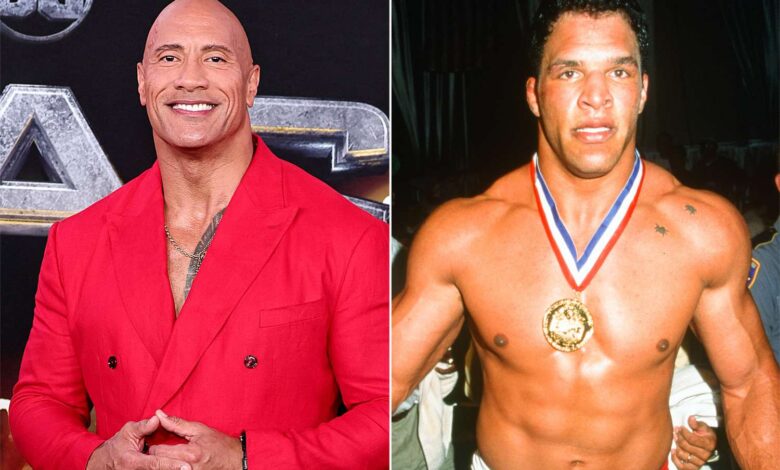
Dwayne “The Rock” Johnson stands today as one of the most recognizable, beloved, and influential figures in global entertainment, but his journey to becoming a worldwide icon is a story far deeper than fame, muscles, or blockbuster roles. His life is a testament to resilience, reinvention, and the relentless pursuit of greatness. Born in 1972 in Hayward, California, Johnson came from a lineage of professional wrestlers — his father Rocky Johnson and his grandfather Peter Maivia were both legends in the ring. While many might assume he was destined for superstardom, the truth is that his early years were marked by instability, financial struggles, and emotional challenges that shaped his toughness long before the world knew his name. Growing up, Johnson moved frequently as his family followed his father’s wrestling career. This instability meant new schools, new environments, and the constant need to adapt. At the age of 15, he found himself at one of his lowest moments when his family was evicted, and he watched his mother break down in tears. That moment, he later recalled, ignited something inside him — a vow that he would rise above poverty and create a life worthy of his family’s sacrifices. But the road ahead was far from smooth.
Johnson channeled his frustration and uncertainty into sports, eventually becoming a standout in high-school football. His physicality and discipline earned him a scholarship to the University of Miami, where he played for the Hurricanes, one of the most dominant college football teams in America. Surrounded by future NFL stars, Johnson learned the intensity, competitiveness, and mental resilience required to play at the highest level. But just as his football dreams were beginning to form, a series of injuries derailed his ambitions. He lost his starting position and, with it, the opportunity he had hoped would define his future. After college, he chased a dream in professional football with the Canadian Football League, but it ended abruptly when he was cut from the team. At 23 years old, he returned home with no job, only seven dollars in his pocket, and a sense of failure that crushed him. These struggles became the foundation of the famous name for his future production company: “Seven Bucks.”
Defeated but not broken, Johnson made a pivotal decision — he would pursue professional wrestling, the world he had grown up watching but initially tried to avoid. His father trained him intensely, pushing him to develop the skills, moves, charisma, and physical conditioning required to succeed in the WWF (later WWE). When Johnson debuted as “Rocky Maivia” in 1996, the company marketed him as a smiling, heroic babyface, but fans rejected the character almost instantly. Chants of “Die Rocky Die” filled arenas, and for the first time in his life, Johnson faced a new kind of pressure: public rejection on a massive stage. Instead of quitting, he transformed. He embraced the criticism, studied what the audience wanted, and reinvented himself into “The Rock,” a charismatic, sharp-tongued, electrifying entertainer whose confidence and comedic timing made him an instant phenomenon. With catchphrases, eyebrow raises, and unforgettable promos, he became one of the most dynamic personalities in wrestling history.
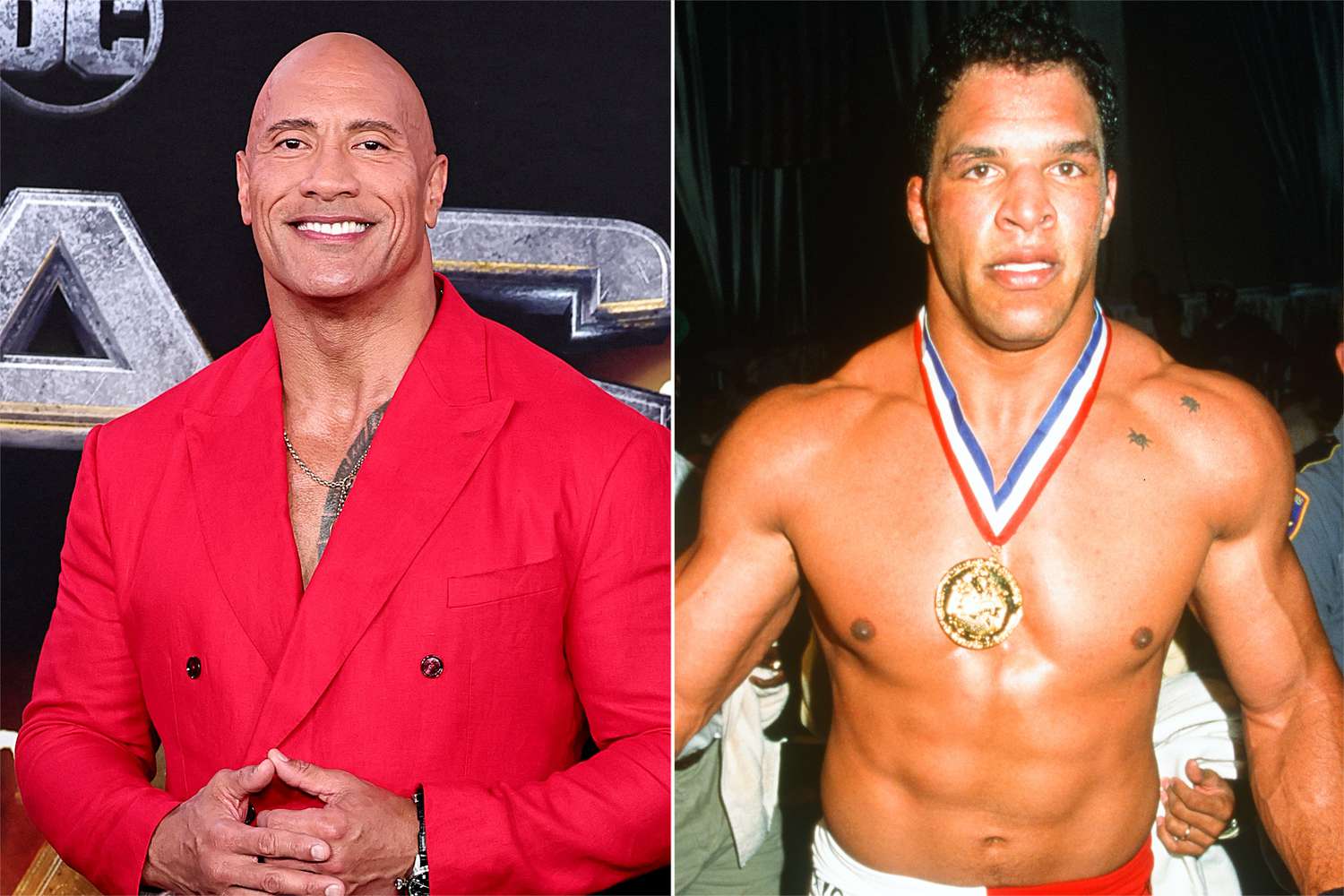
During the late 1990s and early 2000s, The Rock became a cornerstone of WWE’s “Attitude Era,” a period defined by intense rivalries, larger-than-life characters, and raw storytelling. He battled legends like Stone Cold Steve Austin, Triple H, and The Undertaker, creating rivalries that fans still talk about decades later. His charisma transcended wrestling — he wasn’t just a star inside the ring, he was a crossover entertainer who built a bridge between sports and mainstream entertainment like no one before him. It wasn’t long before Hollywood noticed.
Johnson made his first major film appearance in “The Mummy Returns” (2001), and although his screen time was brief, his presence was unmistakable. Hollywood saw potential, and the following year he starred in “The Scorpion King,” officially launching his career as a leading man. Over the next decade, he slowly worked his way into different genres, from action films to family comedies, all while carefully shaping his identity as an actor. He refused to be boxed into a single type of role. With each project, Johnson learned, adapted, and expanded his range. His work ethic became legendary — he was often the first on set, the last to leave, and the hardest worker in any room.
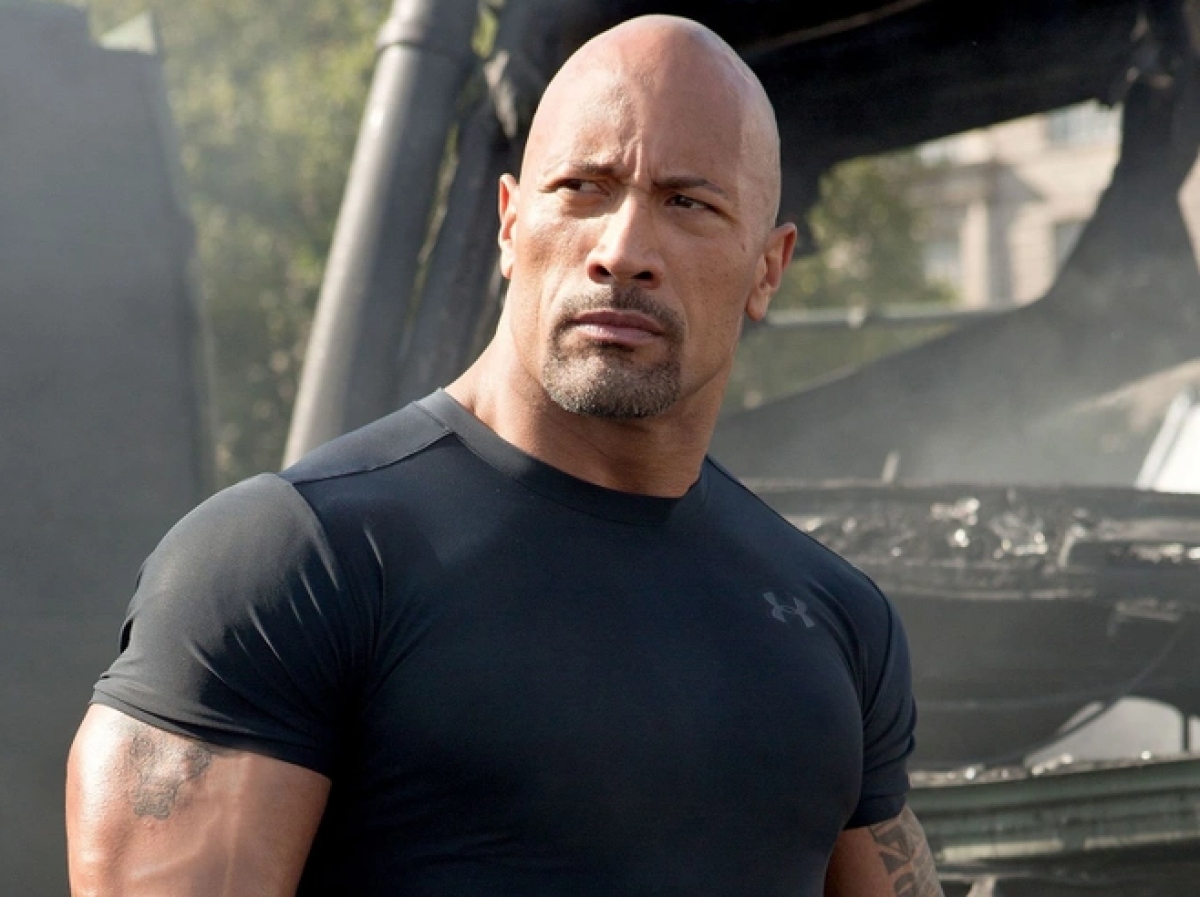
His career reached a new level of global dominance when he joined the “Fast & Furious” franchise as Luke Hobbs. His presence injected new energy into the series, and his character became so popular that he eventually starred in the spinoff “Hobbs & Shaw.” Johnson also dominated the box office with hits like “Jumanji: Welcome to the Jungle,” “Moana,” “San Andreas,” “Rampage,” and “Red Notice.” But his success was more than just financial; it was emotional. Audiences connected with him because he felt authentic — strong yet gentle, tough yet kind, driven yet relatable. He crafted a public persona centered on gratitude, hard work, and positivity. Unlike many celebrities, he openly shared his struggles, including his battles with depression, his difficult past with poverty, and the personal losses that shaped him. This vulnerability made him not just a movie star but a role model for millions.
Outside of acting, Johnson built an empire. His partnership with Under Armour created the insanely successful “Project Rock” fitness line. He launched Teremana Tequila, which became one of the fastest-growing tequila brands in the world. He built “Seven Bucks Productions,” which produces films, television shows, and digital content. He became a social-media powerhouse, using his platforms to motivate fans, promote his projects, share family moments, and connect with people on a deeply human level. He coined phrases like “focus, grind, humility,” “always hungry,” and “the hardest worker in the room” — principles that resonated far beyond entertainment. His commitment to fitness made him a global symbol of discipline. Whether he was training at his famous “Iron Paradise” gym or waking up before dawn to prepare for a role, Johnson showed that greatness is the result of daily choices, not luck. Fans admired not just his physical strength but his emotional strength — his ability to rise after falling, to reinvent himself, and to keep moving forward against all odds.
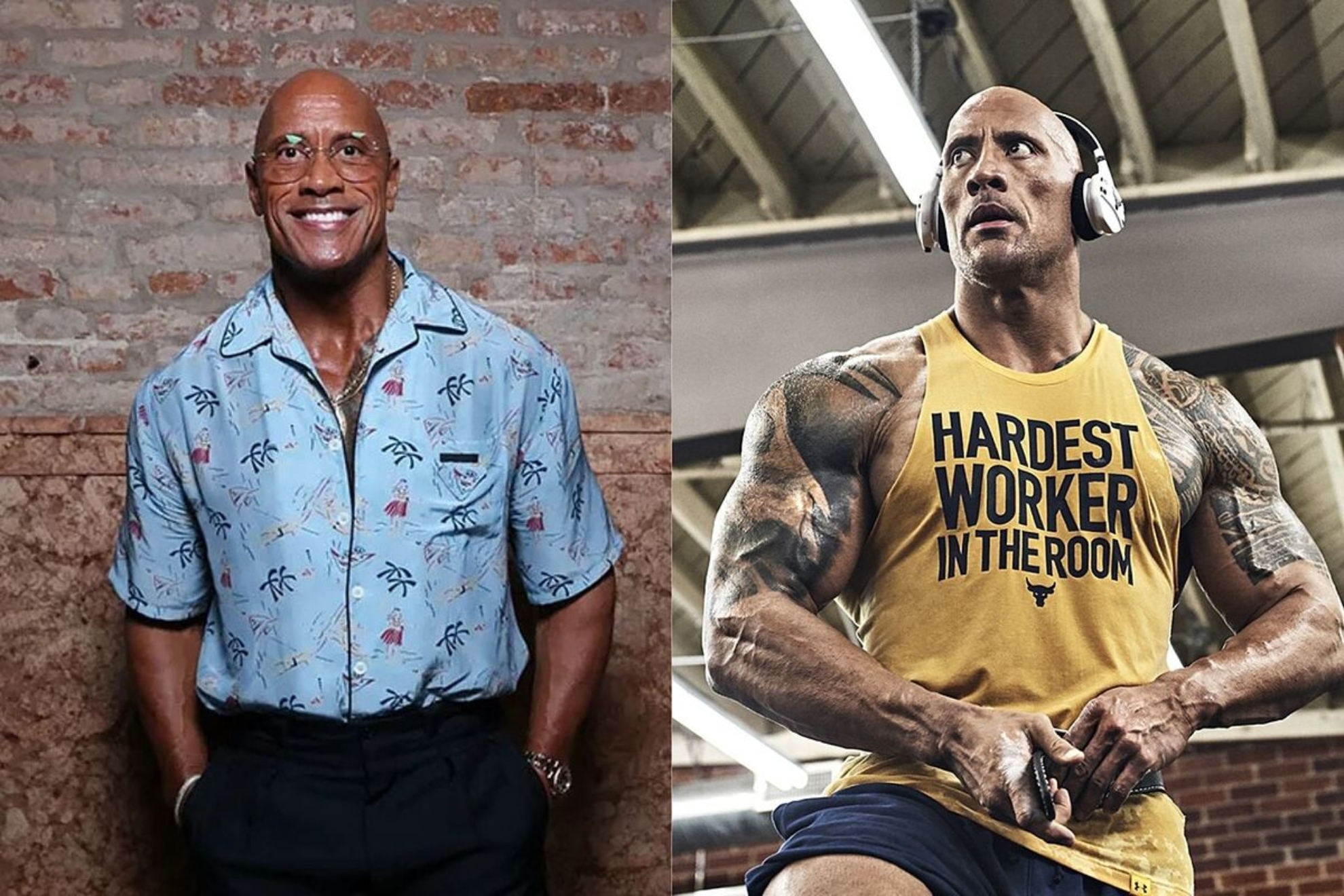
Despite his superstardom, Johnson has always remained deeply connected to his family. His relationship with his daughters, his respect for his Samoan heritage, and his admiration for his mother all play central roles in his identity. He often speaks about the values he learned from his parents — resilience, respect, loyalty — and how they shaped the man he became. He honors his Samoan wrestling lineage with pride, acknowledging that his journey stands on the shoulders of giants who paved the way.
Johnson’s influence has expanded into philanthropy as well. He donates to children’s hospitals, supports education programs, gives back to communities affected by natural disasters, and uses his resources to uplift people who need help. He also frequently surprises fans with heartfelt gestures — visiting sick children, sending motivational messages, or showing up unannounced to brighten someone’s day. These acts showcase the depth of his compassion and the sincerity behind his public image.
As his career continues to evolve, Johnson remains one of the most hardworking and dynamic personalities in entertainment. Whether producing new films, expanding his business ventures, or inspiring the next generation through storytelling, he sees every opportunity as a chance to grow. His journey from a struggling teenager with seven dollars in his pocket to a global megastar demonstrates that greatness is not about where you start — it’s about how far you’re willing to go. His life reminds us that adversity is not a barrier but a catalyst, and that success built on integrity, persistence, and purpose can reshape not only one’s life but also the world around them.
Today, Dwayne “The Rock” Johnson stands not just as an actor or athlete but as a symbol of strength, hope, and reinvention. His story continues to inspire millions, showing that even the humblest beginnings can lead to extraordinary heights. Whether electrifying audiences in the wrestling ring, dominating the box office, empowering communities, or motivating fans with his authenticity, Johnson remains one of the most compelling figures of our time — a man whose impact transcends entertainment and touches the spirit of people across the globe.