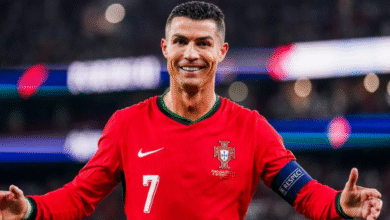
Cristiano Ronaldo dos Santos Aveiro stands as one of the most iconic, influential, and relentlessly driven athletes in the history of global sport. His name alone evokes images of breathtaking goals, gravity-defying leaps, immaculate physical conditioning, and an insatiable hunger for victory. Over two decades, Ronaldo has shaped the world of football not merely through his achievements, but through a mindset that redefined what it means to pursue greatness. His story, from a small island in Portugal to the very pinnacle of world football, is filled with sacrifice, ambition, failure, triumph, and transformation. To explore Ronaldo’s life is to explore the psychology of excellence itself—an unmatched career fuelled by discipline, resilience, and the belief that limits exist only to be broken.
Cristiano Ronaldo was born on February 5, 1985, in Funchal, Madeira, a remote island in Portugal known for its scenic landscapes more than its footballing pedigree. Growing up in a modest home as the youngest of four children, Ronaldo developed a strong bond with football at an early age. His family’s financial struggles never hindered his ambition; rather, they intensified his desire to succeed. Even as a child, his teachers and peers described him as enormously competitive. He would cry when his team lost, a trait that later earned him the childhood nickname “crybaby.” Yet this same emotional intensity would evolve into a relentless drive—a fire that pushed him beyond what anyone expected.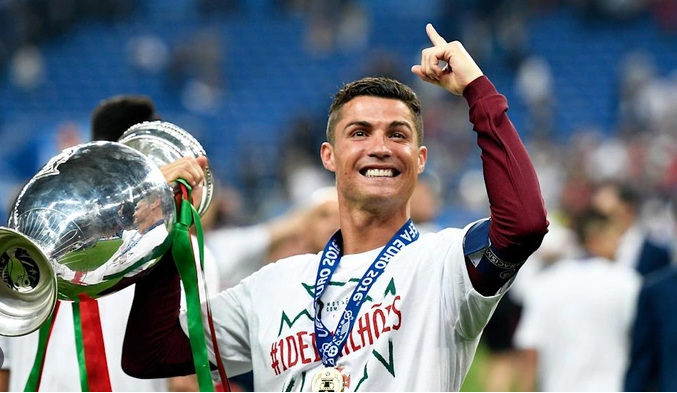
At age 12, Ronaldo made a life-altering decision: he left Madeira to join Sporting CP’s famed academy in Lisbon. For a child from a small island, the move was emotionally devastating. He was alone, away from family, competing against the best young players in the country. But Ronaldo adapted quickly, turning discomfort into motivation. By age 16, he had impressed the club so much that he became the first player in Sporting’s history to play for the Under-16, Under-17, Under-18, B team, and first team all within a single season. His acceleration, ball control, and confidence marked him as a rising star, but it was a friendly match in 2003 that changed everything. Sporting faced Manchester United, and Ronaldo dominated the game with such flair that United’s players reportedly begged Sir Alex Ferguson to sign him. Within weeks, he joined Manchester United, beginning the first major chapter of his professional legacy.
Ronaldo’s early years in England were transformative but challenging. Coming from Portugal with dazzling footwork and bold tricks, he faced critics who claimed he was too flashy, too unpredictable, too theatrical. But under the mentorship of Sir Alex Ferguson, he harnessed his raw talent into a more efficient and devastating style. Ferguson became a father figure, guiding Ronaldo with a rare blend of discipline and belief. During his six seasons at Manchester United, Ronaldo evolved from a promising winger to one of the world’s most complete attackers. His physical transformation was equally remarkable: he became stronger, faster, more powerful. His dedication to training bordered on obsessive, often arriving first to practice and leaving last. By the 2007–08 season, Ronaldo reached football’s elite level, scoring 42 goals and helping United win the Premier League and the Champions League. His performances earned him his first Ballon d’Or, solidifying his place among the sport’s legends.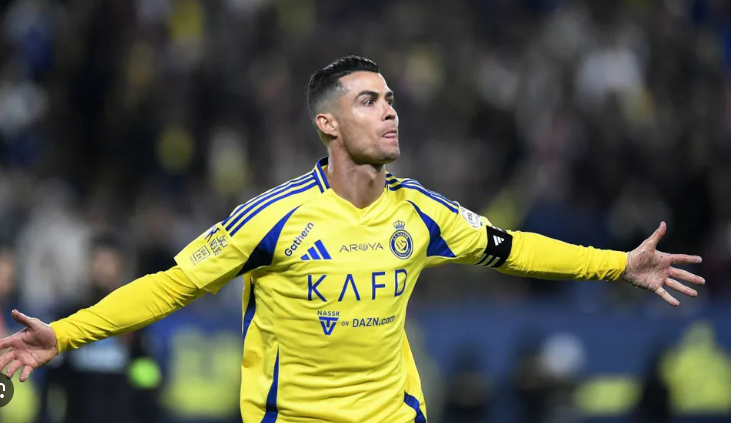
In 2009, Ronaldo made a then-world-record transfer to Real Madrid, where he would cement his status as an all-time great. The move marked the beginning of a new era—for both player and club. At Madrid, Ronaldo transformed from a brilliant star into a global phenomenon. The expectations were astronomical, but he surpassed them with ease. In nine seasons, he scored an unimaginable 450 goals in 438 games, becoming the club’s all-time leading scorer. His goal-scoring consistency was unprecedented, breaking record after record with astonishing regularity. Whether through thunderous long-range strikes, acrobatic volleys, precise headers, or clinical finishes, Ronaldo displayed an unmatched versatility in front of goal.
Beyond the statistics, Ronaldo’s rivalry with Lionel Messi defined a footballing generation. Fans, analysts, and journalists debated endlessly about who was superior. But while the debate often became emotional, the competition itself elevated both players. Ronaldo embraced the duel as fuel, pushing himself to new heights year after year. Real Madrid won four Champions League titles during his tenure, including three consecutively from 2016 to 2018. Ronaldo often reserved his best performances for the biggest stages, scoring crucial goals in finals and knockout rounds. His leadership and mentality set him apart—he demanded excellence from himself and his teammates, often carrying the team through difficult moments with sheer willpower.
After nearly a decade of dominance in Spain, Ronaldo embarked on a new challenge in 2018 by joining Juventus. Critics questioned whether he could maintain his level in a new environment at age 33, yet he proved once again that limits were merely illusions. In Italy, Ronaldo continued scoring at elite levels, earning the league’s MVP award and helping Juventus secure domestic titles. His athleticism remained extraordinary; even in his mid-30s, he performed leaps reaching heights comparable to professional basketball players. His commitment to diet, training, and recovery became legendary. Stories circulated of teammates avoiding eating with him because his discipline made indulgence feel embarrassing. For Ronaldo, lifestyle and success were inseparable—he lived every day with purpose and precision.
In 2021, Ronaldo returned to Manchester United, a homecoming that thrilled fans worldwide. Although the club faced internal turmoil and inconsistent performances, Ronaldo again demonstrated his value. He scored numerous decisive goals, including match-winning hat tricks, and often served as the emotional leader of a struggling squad. But as United’s rebuilding project intensified, Ronaldo sought a new chapter where he could maintain competitive minutes and a central role. His move in late 2022 to Al Nassr in Saudi Arabia sparked global conversation. Some viewed it as a step away from elite European football, yet Ronaldo framed it as a new frontier—an opportunity to grow the sport in a rapidly developing region. His arrival had an immediate impact: the league gained unprecedented international visibility, attendance soared, and sponsorships increased. Ronaldo proved, once again, that his influence extended far beyond the pitch.
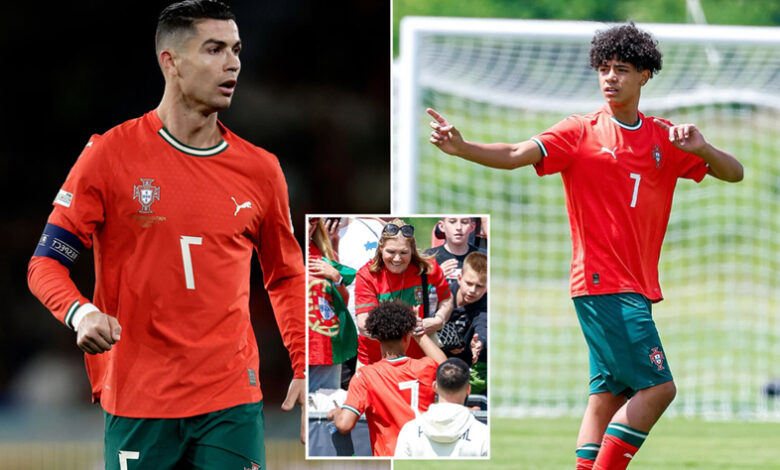
Parallel to his club career, Ronaldo’s journey with the Portuguese national team stands as one of his most defining achievements. When he debuted in 2003, Portugal had never won a major international trophy. Ronaldo, however, believed deeply that his nation could achieve greatness. His leadership, passion, and emotional connection to Portugal created a powerful identity for the team. In 2016, his dream came true when Portugal won the UEFA European Championship. Although Ronaldo was injured in the final, his presence on the sidelines—coaching, motivating, and inspiring—symbolized his role as more than just a player. He was a captain in every sense. In 2019, he led Portugal to victory in the inaugural UEFA Nations League, adding another historic milestone. Over time, he also became the all-time leading international goal scorer, a testament to his longevity and consistency on the world stage.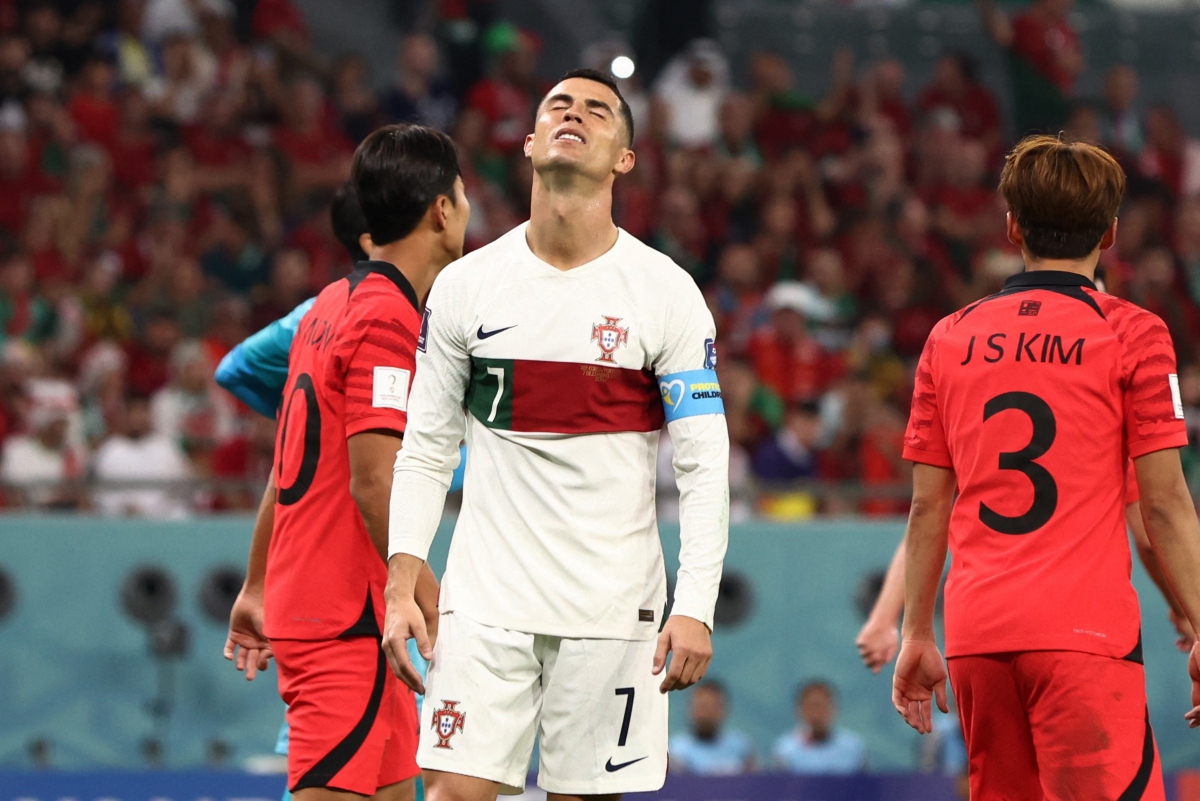
One of the defining elements of Cristiano Ronaldo’s legacy is his extraordinary work ethic. While many players rely primarily on natural talent, Ronaldo’s success is rooted equally in discipline and self-belief. He has repeatedly stated that while talent is important, it is meaningless without hard work. His daily routines—intense gym sessions, strategic recovery protocols, strict nutrition plans—demonstrate a level of professionalism rarely seen in any sport. Stories of his dedication circulate widely: training in hotel hallways, arriving hours early to practice, perfecting free-kick techniques long after teammates left. He embodies the idea that excellence is not an act but a habit.
Off the pitch, Ronaldo has built a brand that resonates globally. With hundreds of millions of followers across social media platforms, he stands as one of the most recognizable figures on the planet. His influence extends into fashion, philanthropy, business, and media. He owns the CR7 brand, which includes clothing, fragrances, hotels, and gyms. Despite immense fame and wealth, Ronaldo engages deeply in charity work, supporting children’s hospitals, disaster relief efforts, and various humanitarian causes. His upbringing in a humble environment shaped his empathy—he never forgot where he came from.
As Ronaldo moves through the later stages of his career, discussions frequently arise about his legacy. Yet measuring his impact solely by trophies, goals, or records fails to capture the full picture. Ronaldo changed football culture. He transformed expectations around professionalism, fitness, and longevity. He inspired millions of young athletes who saw not just his success but the relentless effort behind it. His belief in self-improvement, even when at the top of the sport, became a model for achieving excellence in any field. Whether admired, criticized, loved, or debated, Ronaldo commands attention and respect. His journey illustrates that greatness is not static; it evolves, adapts, and perseveres.
Cristiano Ronaldo’s name will forever be etched into football history, not merely because he was great, but because he redefined greatness. From a young boy on a small island to a global icon, his story is one of ambition without compromise. As his career continues, fans may debate his best goals, greatest seasons, or most memorable moments, but there is no debate about his impact. Ronaldo stands among the immortals of sport—a symbol of unwavering determination, extraordinary talent, and the boundless possibilities of human potential. To witness his career is to witness living history, a reminder that with discipline, passion, and courage, even a child from Madeira can conquer the world.