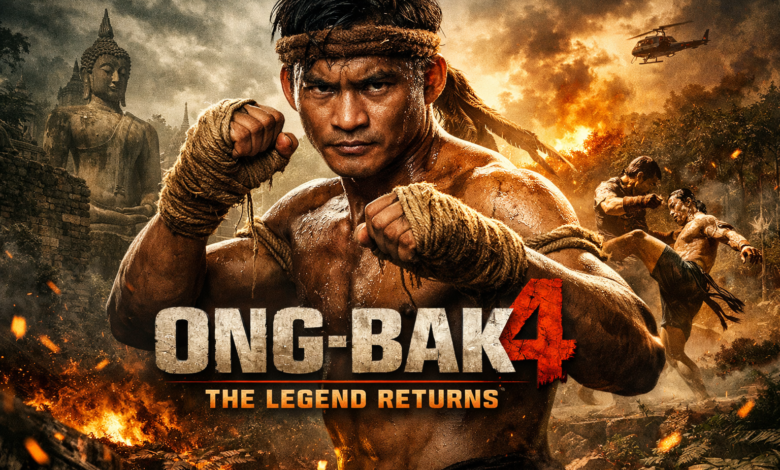
Ong-Bak 4 (2026): The Return of Pure Muay Thai Power
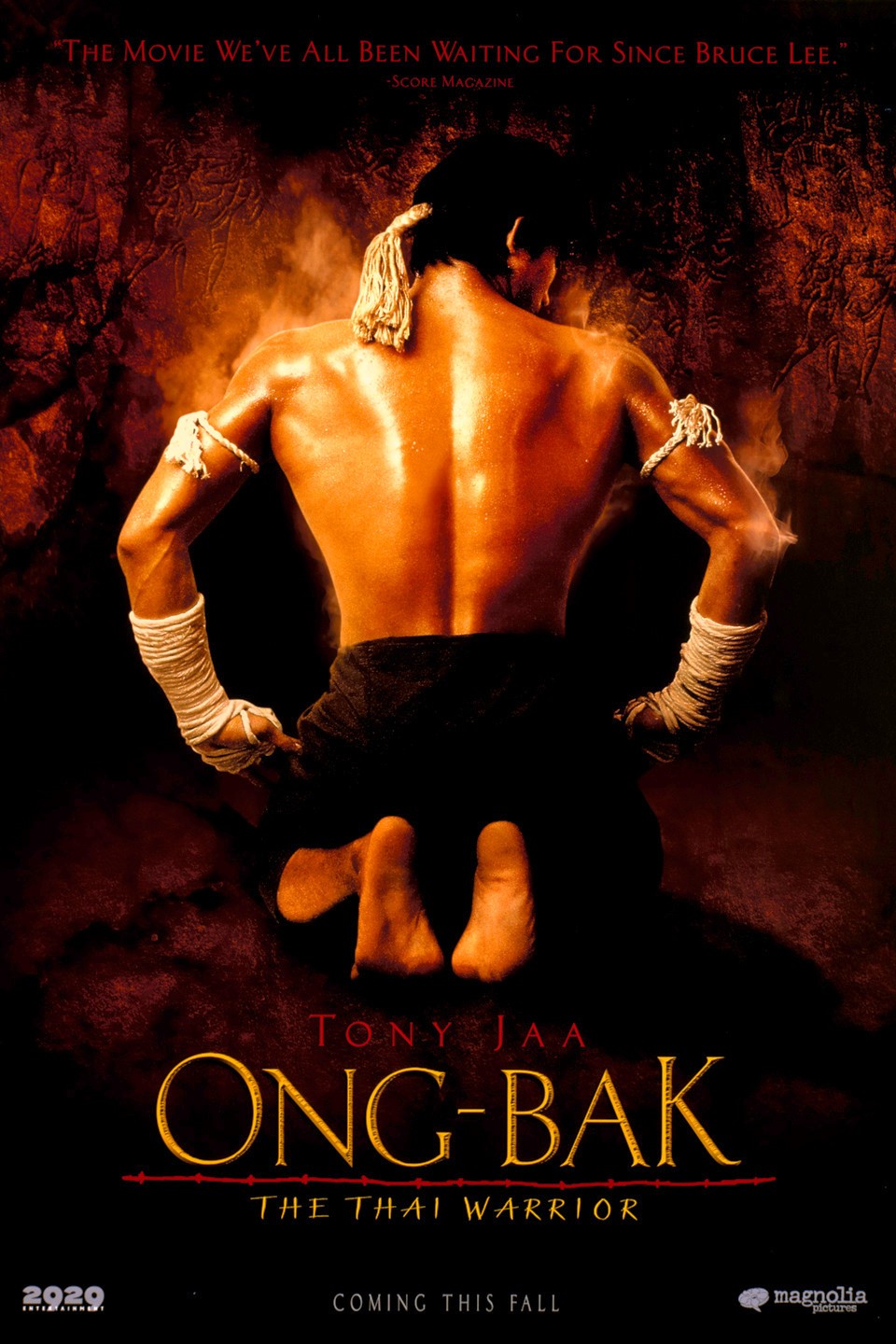
For fans of raw martial arts cinema, the Ong-Bak franchise represents something rare and powerful: a commitment to real combat, real pain, and real athleticism. With Ong-Bak 4 (2026), the legendary Thai action saga is expected to return to its roots while evolving for a modern global audience. More than just another sequel, Ong-Bak 4 is widely anticipated as a cultural statement—one that reaffirms the dominance of Muay Thai in world cinema.
Note: As of now, Ong-Bak 4 (2026) is widely discussed as a planned or anticipated continuation of the franchise, shaped by fan expectations and industry trends.
A Legacy Forged in Bone and Tradition
The original Ong-Bak: Muay Thai Warrior (2003) redefined action cinema. At a time when wirework, CGI, and fast-cut editing dominated Hollywood, Ong-Bak shocked audiences with something brutally honest: long takes, full-contact strikes, and a performer who truly took the hits.
That performer was Tony Jaa, whose explosive debut turned him into an international icon. The franchise became synonymous with:
-
Authentic Muay Thai techniques
-
No wires, no doubles, minimal CGI
-
Cultural pride rooted in Thai history and spirituality
Ong-Bak 4 is expected to honor this legacy while adapting to the cinematic language of 2026.
What Ong-Bak 4 (2026) Is Expected to Be About

While official plot details remain tightly guarded, Ong-Bak 4 is rumored to focus on a new generation of warriors, connected to the spiritual and physical lineage of Muay Thai.
Possible Story Themes
-
The survival of ancient Muay Thai traditions in a corrupted modern world
-
Underground fight syndicates exploiting sacred combat arts
-
A lone fighter forced to defend cultural identity against globalized violence
-
The moral cost of turning martial arts into entertainment and profit
Unlike many modern action films, Ong-Bak 4 is expected to emphasize discipline, honor, and consequence, rather than spectacle alone.
A New Era of Brutal Realism
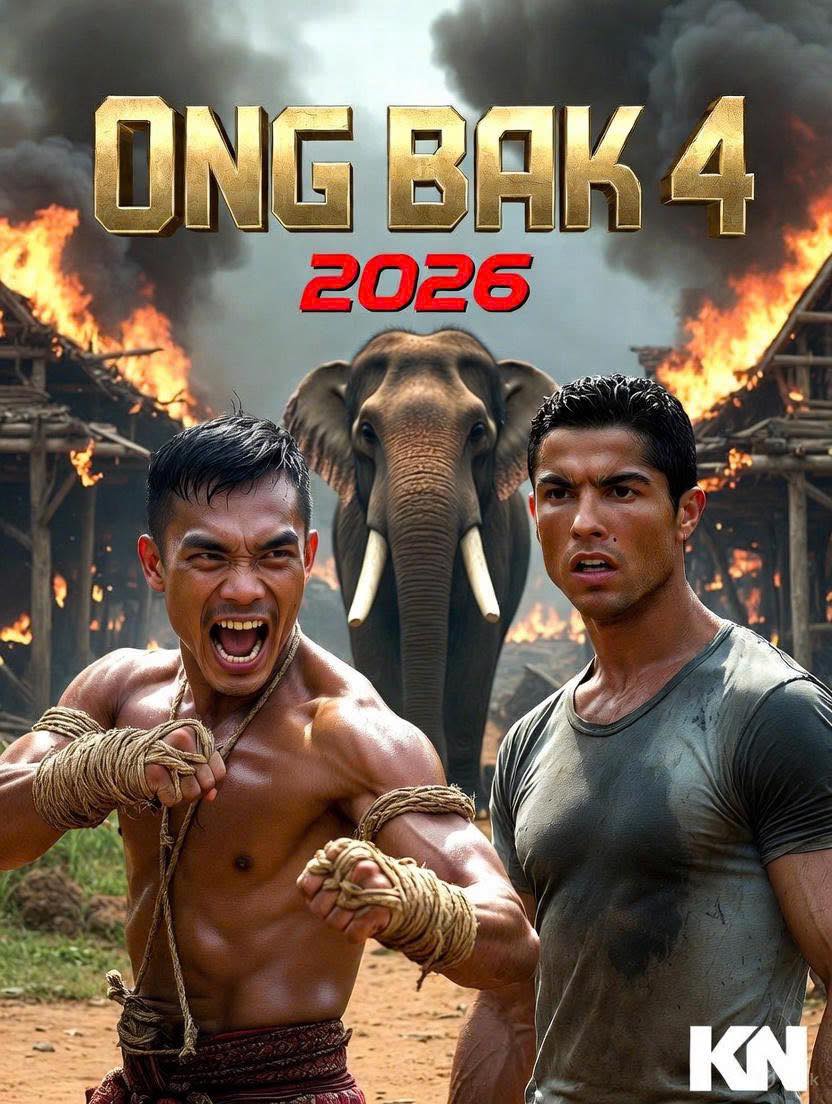
If Ong-Bak 4 follows the philosophy of its predecessors, audiences can expect:
-
Long, uninterrupted fight sequences
-
Minimal camera shake
-
Clear visibility of technique and impact
-
Real stunts performed by trained martial artists
In an age dominated by superhero invincibility, Ong-Bak 4’s greatest strength may be its vulnerability. Fighters bleed. Bones break. Exhaustion is visible. Victory is earned, not scripted.
This approach aligns perfectly with modern audiences who crave authenticity over excess.
Muay Thai as Cinematic Language
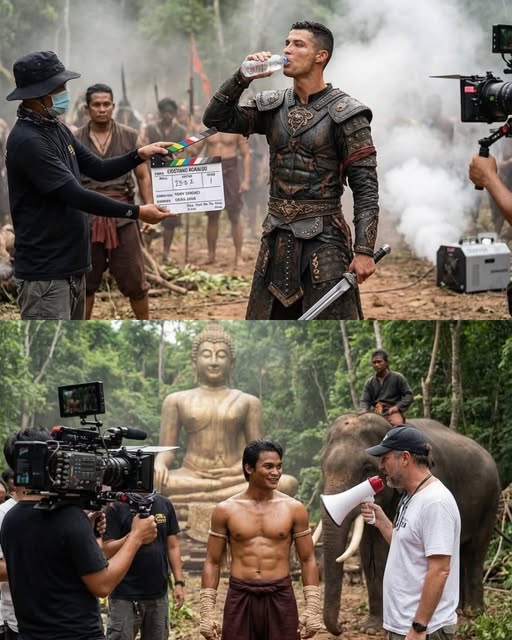
Muay Thai is not just a fighting style—it is a storytelling language. Each strike carries meaning:
-
Elbows represent ruthless efficiency
-
Knees symbolize dominance and control
-
Clinches reflect endurance and mental strength
Ong-Bak 4 is expected to showcase traditional Muay Boran techniques, ritualized Wai Kru ceremonies, and spiritual symbolism tied to Thai heritage. This cultural grounding has always set the franchise apart from Western action films.
Global Appeal in 2026
Action cinema has changed dramatically since the early 2000s. Today’s audience is:
-
More international
-
More knowledgeable about martial arts
-
More critical of fake choreography
Ong-Bak 4 arrives in a world shaped by The Raid, John Wick, and streaming platforms hungry for visceral content. Yet Ong-Bak still stands alone because it offers something no other franchise truly does: national identity expressed through physical combat.
This makes Ong-Bak 4 especially attractive to:
-
Martial arts purists
-
Fans of realistic action
-
Viewers tired of CGI-heavy blockbusters
-
Audiences seeking cultural depth alongside violence
The Question of Tony Jaa
One of the biggest questions surrounding Ong-Bak 4 is the involvement of Tony Jaa. Whether he returns as the main protagonist, a mentor figure, or a symbolic presence, his influence is unavoidable.
A likely and powerful direction would be:
-
Tony Jaa as a master passing the torch
-
A new lead trained in authentic Muay Thai
-
A thematic focus on legacy rather than repetition
Such a choice would allow Ong-Bak 4 to respect its origins while securing its future.
Cinematography and Tone
Visually, Ong-Bak 4 is expected to embrace:
-
Natural lighting
-
Real locations: jungles, temples, slums, abandoned industrial zones
-
Earth-toned color grading
-
Minimal digital enhancement
The tone is likely to remain serious, grounded, and intense, avoiding humor-heavy or exaggerated action tropes. This seriousness is a key part of the franchise’s identity.
Why Ong-Bak 4 Matters
Ong-Bak 4 (2026) is not just another sequel—it represents resistance.
Resistance against:
-
Over-edited action
-
Artificial choreography
-
Cultural dilution
In a cinematic landscape saturated with sameness, Ong-Bak reminds audiences that pain, discipline, and tradition still matter.
Final Thoughts
If Ong-Bak 4 (2026) delivers on its promise, it could become one of the most important martial arts films of the decade. By blending cultural authenticity, real combat, and modern storytelling, the film has the potential to reassert Muay Thai’s rightful place at the pinnacle of action cinema.
For longtime fans, it is a return home.
For new audiences, it may be a brutal awakening.
Either way, Ong-Bak 4 stands poised to strike—hard, honest, and unforgettable. 🥊