
Chuck Norris stands as one of the most iconic figures in modern American pop culture, a name that resonates far beyond the realms of action cinema, martial arts, and television. Even people who have never seen one of his movies know who he is, often through the humorous and exaggerated “Chuck Norris facts” that have circulated online for over two decades. Yet the real Chuck Norris is far more than a meme or the tough-as-nails character he often portrays. His story is one of hard-won discipline, resilience, personal reinvention, and a deep connection to American entertainment history. To understand Chuck Norris is to trace the evolution of martial arts in the West, the rise of action heroes in Hollywood, and the ways digital culture transforms individuals into mythic figures whose reputations take on a life of their own.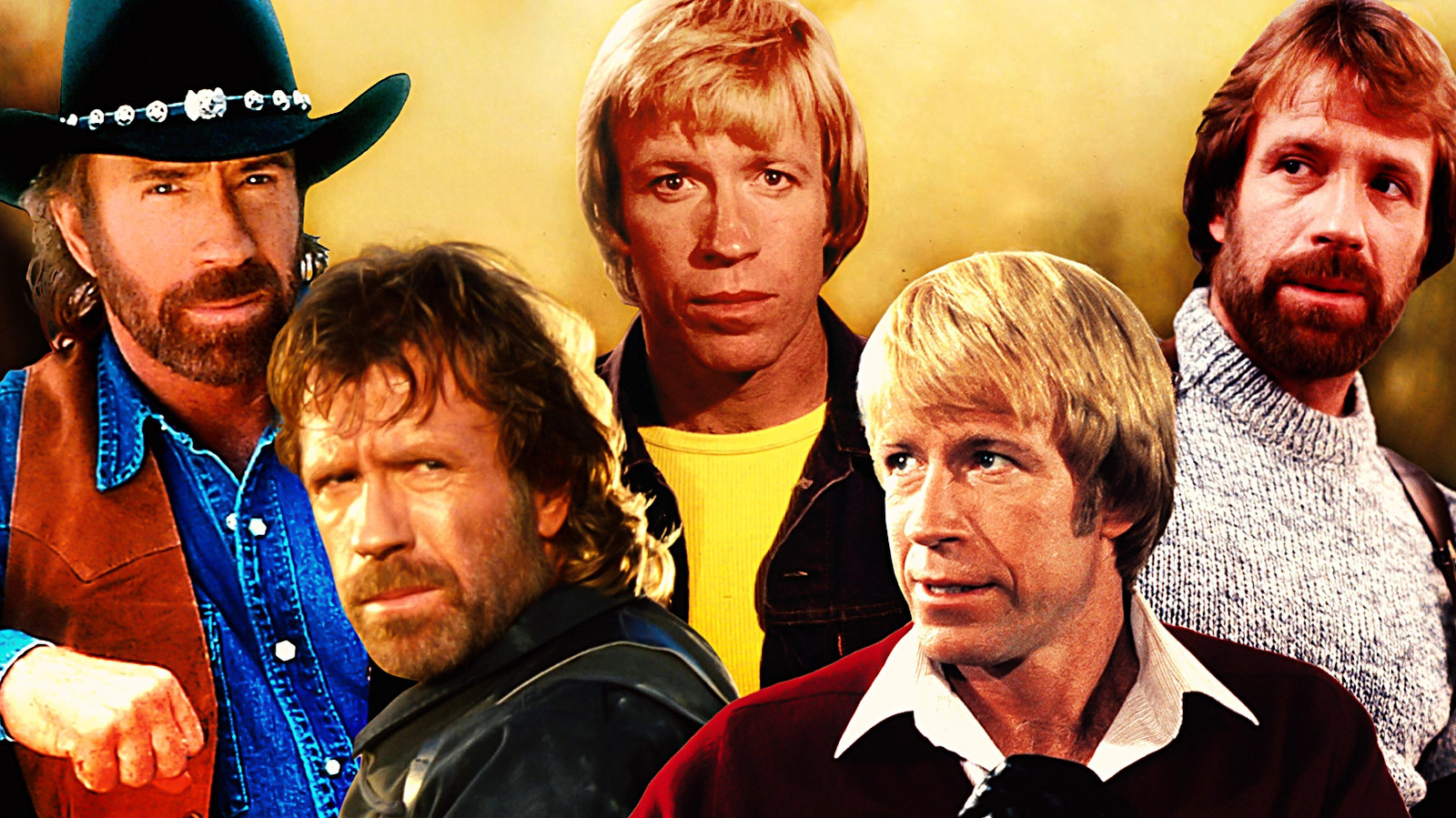
Born Carlos Ray Norris on March 10, 1940, in Ryan, Oklahoma, Chuck Norris came from humble beginnings. His early life was marked by economic hardship, a turbulent household, and the challenges of a family trying to find stability. Norris was shy and self-described as physically weak during his childhood, hardly the type of person one would expect to become a martial arts champion and international action star. However, his father’s struggles with alcohol and the instability of home life created in Norris a quiet determination to build something stronger for himself. When his family moved to California, he carried with him both uncertainty and the beginnings of the internal discipline that would later define him.
Chuck Norris’s life took a dramatic turn when he joined the United States Air Force at the age of 18. Stationed in South Korea, he encountered martial arts for the first time, specifically Tang Soo Do, a Korean striking art that would become foundational to his identity. What began as casual interest soon grew into passion. Norris trained intensely, developing skill, confidence, and a sense of purpose he had not previously possessed. By the time he returned to the United States, he was not simply a martial arts practitioner; he was an emerging talent with the ambition to compete professionally.
In the late 1960s and early 1970s, Norris became a dominant force in karate tournaments across America. He earned multiple championship titles and quickly developed a reputation as one of the most precise, disciplined, and technically sound competitors in the sport. His fighting style emphasized speed, timing, and relentless work ethic rather than flashy theatrics. During this period, Norris also opened a chain of martial arts studios, teaching thousands of students and helping introduce structured martial arts practice to mainstream American audiences. His schools became gathering places for people eager to learn from a rising champion, and among his students were future celebrities, including Steve McQueen, who would later play a pivotal role in Norris’s transition to film.
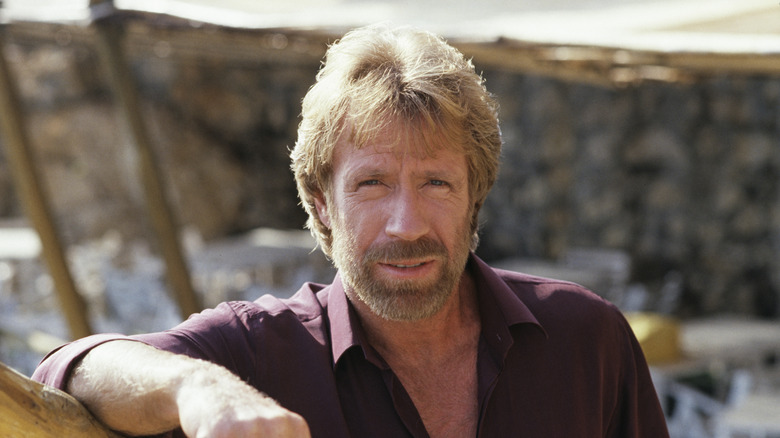
Chuck Norris’s film career began modestly but gained momentum after his memorable appearance as the antagonist Colt in Bruce Lee’s 1972 classic “Way of the Dragon.” The climactic fight scene between Lee and Norris in the Colosseum became one of the most iconic martial arts sequences ever filmed. Although Norris played the villain, the intensity and technical precision of his performance captured the attention of filmmakers and audiences alike. It was a turning point, marking the moment Chuck Norris stepped from the world of competitive martial arts into global cinematic visibility.
The late 1970s and 1980s were the years when Chuck Norris truly became a larger-than-life action hero. Films such as “Good Guys Wear Black,” “Lone Wolf McQuade,” “The Delta Force,” and “Missing in Action” solidified his image as a tough, principled fighter willing to stand up for justice, rescue the innocent, and defeat overwhelming odds. His characters often shared similarities: stoic, disciplined, patriotic, and morally uncompromising. These traits resonated with American audiences during a period of geopolitical tension and cultural longing for clear heroes. Unlike some action stars whose personas thrived on sarcasm or brute force, Norris projected controlled strength—a fighter who could be deadly but chose restraint, a warrior with a code.
Perhaps the most defining role of Norris’s acting career came with the long-running television series “Walker, Texas Ranger.” Premiering in 1993 and running for eight seasons, the show became a cultural phenomenon. Norris played Cordell Walker, a Texas Ranger who combined martial arts expertise with law enforcement ethics. The series blended action, Western themes, moral lessons, and family-friendly storytelling, reaching audiences of all ages. It cemented Norris’s position not only as an action star but also as a stable, wholesome figure in American television. Walker’s dedication to justice, respect for tradition, and balanced approach to strength reflected qualities that audiences admired, and for many viewers, Chuck Norris became synonymous with unwavering integrity.
While Norris continued acting through the 2000s and made cameo appearances—most notably the humorous self-parody in “The Expendables 2”—his legacy evolved far beyond film and television. In the mid-2000s, internet culture transformed him into a mythological figure through the explosion of “Chuck Norris facts.” These jokes presented Norris as a superhuman being capable of impossible feats: counting to infinity, splitting atoms with a roundhouse kick, or winning battles before they began. What made these jokes enduring was their blend of admiration and absurdity. They exaggerated not only Norris’s physical prowess but also the stoic intensity of his on-screen characters. For millions of people around the world, these hyperbolic facts became their primary association with Chuck Norris, turning him into a digital folk hero.
What is remarkable is how Norris himself responded to this phenomenon. Rather than reject or resent the jokes, he embraced them with good humor. He acknowledged that they introduced him to younger audiences and allowed a new generation to connect with his legacy. This attitude reflected his long-standing humility and self-awareness; despite his tough-guy image, Norris has consistently presented himself as approachable and grounded. He even collaborated with brands and charities using the Chuck Norris “superhuman” persona to raise funds, promote fitness, and engage with fans in playful ways.
Beyond entertainment, Norris has extensive involvement in philanthropy, writing, and public advocacy. He founded Kickstart Kids, a nonprofit program that uses martial arts training to teach discipline, respect, and character to middle school and high school students. Through this initiative, tens of thousands of children across Texas have gained access to mentorship, confidence-building activities, and structured physical training. Norris has long believed that martial arts offers lessons far beyond physical technique—it teaches mental focus, emotional control, and moral responsibility. Kickstart Kids remains one of the most tangible and lasting contributions of his life outside Hollywood.
Norris has also authored numerous books, including autobiographies, martial arts instruction manuals, and philosophical reflections on personal growth. His writing often emphasizes self-discipline, perseverance, and the importance of maintaining strong values. He frequently credits martial arts not merely for shaping his career but for shaping his identity as a whole. Many readers find his reflections sincere and relatable, especially given the contrast between his tough on-screen image and his thoughtful real-life demeanor.
As he transitioned away from the intense physical demands of action roles, Norris continued to be active in public life. He has remained a symbol of strength and moral conviction for many admirers, though he has also faced criticism at times for personal views or political endorsements. Yet even critics acknowledge that Norris acts from a place of deeply held belief rather than fleeting opinion. What remains consistent throughout his public presence is his commitment to integrity, loyalty, and discipline—qualities that have defined his life from the Air Force barracks in Korea to the soundstages of Hollywood.
Today, Chuck Norris exists simultaneously as a real person, a Hollywood legend, and a digital myth. But behind the jokes and the exaggerated feats lies a story of a man who transformed adversity into strength, shyness into confidence, and personal struggle into global influence. His legacy cannot be reduced to a single category because it spans competitive martial arts, film, television, literature, philanthropy, and internet folklore. Chuck Norris is a reminder that cultural icons often become unforgettable not only because of what they accomplish, but because of the stories people tell about them—stories rooted in admiration, humor, and the desire to celebrate a figure who symbolizes resilience.
Chuck Norris’s journey continues to inspire because it reflects the possibility of reinvention. He was not born a natural fighter or Hollywood star. He became those things through dedication, failure, learning, and constant discipline. In an age of rapidly changing cultural attention, his lasting presence demonstrates the enduring appeal of heroes who combine strength with humility. Whether one knows him as the karate champion from the 1970s, the action hero of the 1980s, the Texas Ranger of the 1990s, or the unstoppable meme of the internet age, Chuck Norris remains a singular figure whose influence spans generations.
Even now, decades after his rise to fame, the name Chuck Norris evokes a sense of fierce determination and timeless toughness. But perhaps his most remarkable trait is the way he has embraced every evolution of his identity—from shy child to disciplined martial artist, from cinematic warrior to cultural legend—without ever losing sight of the values that shaped him. In a world that often builds up heroes only to tear them down, Chuck Norris stands as a cultural icon who has remained both powerful and approachable, both mythic and human. His story continues to resonate because it reflects not only physical strength, but the strength of character that defines a life well lived.