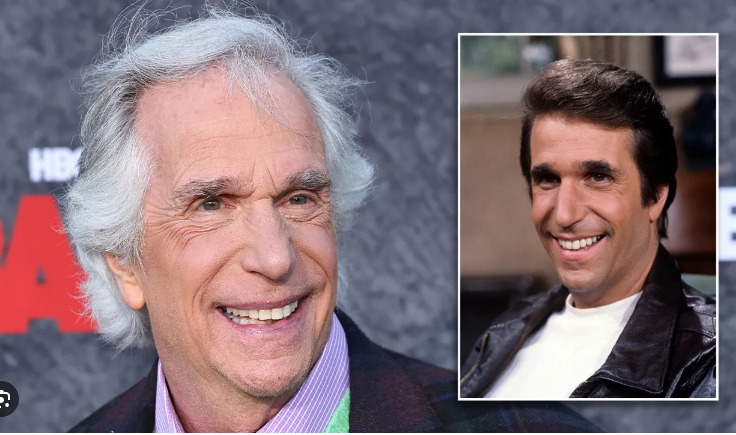
Henry Winkler stands as one of the most enduring and beloved figures in American entertainment—a man whose charm, humor, humility, and resilience have allowed him not only to survive the constantly shifting tides of Hollywood, but to thrive within them for more than five decades. Known to millions as the effortlessly cool Arthur “Fonzie” Fonzarelli from Happy Days, Winkler has long since proven that he is far more than a single iconic role. He is an actor of substantial range, a thoughtful producer, an award-winning author, and a champion for children struggling with learning disabilities. His story is one of persistence, reinvention, and heartfelt creativity, told with the quiet strength of someone who spent years doubting himself before discovering the full range of his abilities. To understand Henry Winkler is to understand the power of kindness and hard work, the profound impact of representation, and the transformative magic of storytelling.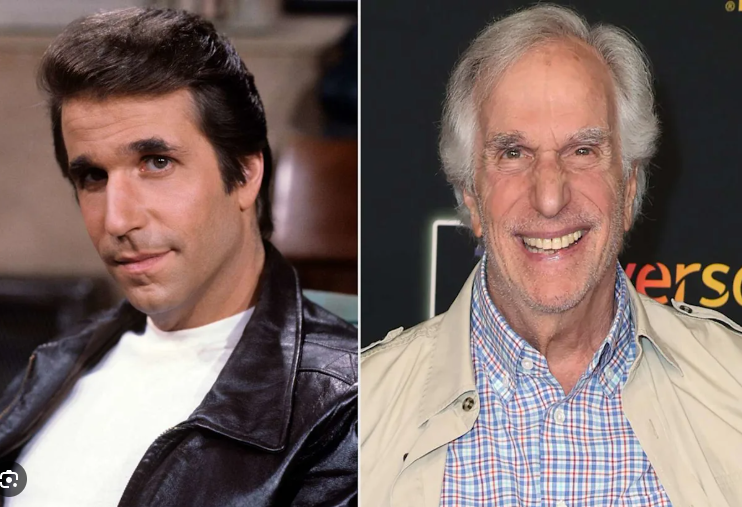
Born on October 30, 1945, in New York City to Jewish parents who fled Nazi Germany, Winkler’s early life was shaped by a mixture of cultural heritage, the difficulties of immigration, and the pressures of parental expectations. His parents, who had left everything behind, valued education and upward mobility above all else. Unfortunately for young Henry, traditional academic success came slowly and painfully. What his parents saw as a lack of effort was actually undiagnosed dyslexia, a condition that would remain unidentified until adulthood. For much of his youth, he struggled through school, feeling defeated and misunderstood, often being labeled unmotivated or lazy. These early experiences would later influence much of his future work, his public advocacy, and his understanding of perseverance.
Despite his academic challenges, Winkler gravitated naturally toward performance. Acting was the one arena where he felt expressive, powerful, and free from judgment. He nurtured his craft throughout high school and eventually earned a spot at Emerson College, where he found a more welcoming environment for his talents. From there, he continued his education at the Yale School of Drama—one of the most prestigious acting institutions in the world. Although he still wrestled with dyslexia, he excelled in performance, demonstrating both discipline and an instinctive emotional intelligence that helped him bring characters to life with nuance and depth.
After graduation, Winkler moved to New York and began building his career through commercials, theater work, and small television roles. Then, in 1973, came an audition that would change his life forever. Producers Garry Marshall and Tom Miller were casting a new sitcom about teenage life in the 1950s, and Winkler was called in to audition for the role of a tough, motorcycle-riding greaser. His now-famous portrayal of “The Fonz” in Happy Days would soon catapult him to immense fame. Ironically, Winkler was nothing like the slick, swaggering character he played; in reality, he was gentle, warm, and introspective. Yet his ability to infuse Fonzie with subtle vulnerability and humor helped transform what was initially a minor character into the undeniable breakout star of the show.
As Happy Days gained traction, Fonzie became a cultural icon, influencing everything from fashion trends to popular slang. His leather jacket ended up in the Smithsonian; his catchphrases entered the American lexicon. But with fame came new challenges. Winkler found himself typecast, struggling to break out of the Fonzie mold after Happy Days ended. Hollywood, often quick to pigeonhole actors into their most successful roles, had difficulty imagining him as anyone other than the ultra-cool biker. For a time, Winkler had to fight to reclaim his career on his own terms.
Instead of succumbing to frustration or fading from view, he adapted. In the 1980s and 1990s, Winkler reinvented himself as a producer and director. Behind the camera, he discovered yet another skillset, overseeing a number of successful projects including MacGyver, So Weird, and other television series. His transition from actor to producer showcased his ability to navigate the entertainment industry with creativity, reliability, and quiet leadership. It also allowed him to work steadily even when the acting roles he longed for were slow to arrive.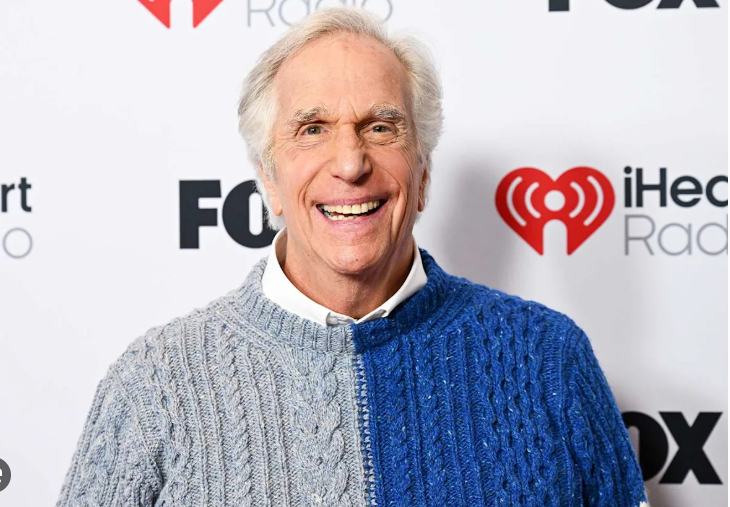
Eventually, new opportunities in acting began to open, especially as Hollywood moved away from strict typecasting and embraced more versatile casting choices. Winkler began earning acclaim for comedic roles in film and television, often playing characters that highlighted his knack for self-deprecating humor. His roles in Scream, The Waterboy, and Arrested Development reintroduced him to younger generations and revived his reputation as a comedic powerhouse. His portrayal of Barry Zuckerkorn in Arrested Development, in particular, demonstrated his willingness to lean into absurdity and satire, proving he could reinvent himself with playful audacity.
Winkler’s later-career renaissance culminated in his award-winning role as Gene Cousineau in HBO’s dark comedy Barry. The series, starring Bill Hader, offered Winkler a role both humorous and profound. Cousineau, a washed-up acting teacher with delusions of grandeur, gave Winkler space to explore complex emotional territory—grief, ego, mentorship, and redemption. Winkler’s performance earned him an Emmy Award, nearly four decades after Fonzie had first turned him into a household name. The win was not only well-deserved but symbolically powerful: it affirmed the longevity of his talent and the richness of his artistic range.
Yet acting is only part of Winkler’s legacy. His work as an author—particularly his Hank Zipzer children’s book series—has touched countless lives. Co-written with Lin Oliver, the series follows a boy with dyslexia, inspired directly by Winkler’s own experiences. The books are funny, heartfelt, and deeply empathetic, offering representation and hope to children who often feel unseen or misunderstood. Winkler’s openness about his own dyslexia and his advocacy for learning differences have made him an important voice in educational communities. Through school visits, public talks, and personal engagement with fans, he has consistently championed the idea that every child has greatness within them, even if it doesn’t manifest through traditional academic pathways.
Alongside his creative work, Winkler’s personal life reflects stability, warmth, and deep family connection. He has been married to Stacey Weitzman since 1978, a rare and admirable accomplishment in the entertainment industry. Their long-standing marriage, built on mutual respect and unwavering support, has often been cited as one of Winkler’s proudest achievements. Together, they have raised children and embraced the joys of being grandparents. Winkler frequently speaks about the importance of family, kindness, and generosity—values that have grounded him throughout his varied career.
One of the most striking aspects of Henry Winkler’s public persona is his remarkable humility. Despite his success, he remains profoundly grateful for every opportunity, often attributing his achievements to luck, hard work, and the support of others. Fans who meet him often describe him as gentle, patient, and genuinely interested in their lives. In an industry known for ego and competition, Winkler stands out for his authenticity and warmth. His social media presence further reflects this generosity: his posts radiate positivity, humor, and an almost grandfatherly affection for his audience.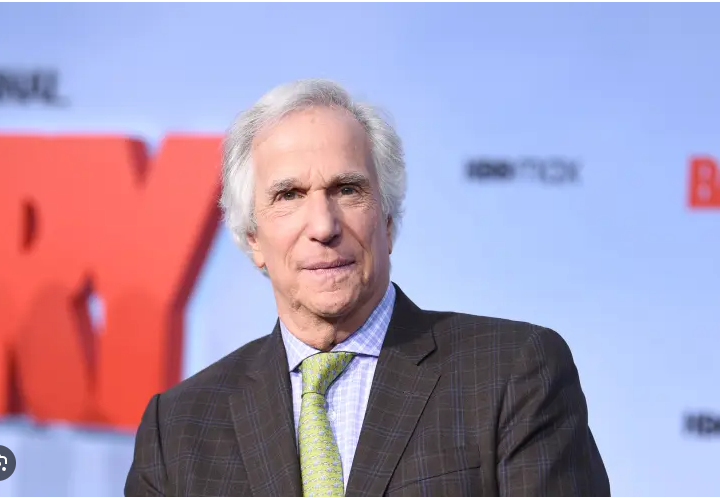
Throughout his life, Winkler has embodied resilience—overcoming childhood struggles, navigating the pitfalls of fame, reinventing himself professionally, and using his platform to help others. His journey illustrates that success is not always linear and that reinvention is both possible and powerful. He has turned personal challenges into strengths, public attention into advocacy, and iconic characters into stepping stones toward creative fulfillment.
Henry Winkler’s place in American culture is unique. He is both an icon of the past and a vibrant voice of the present, a figure who bridges generations with his humanity and humor. Whether through the cool swagger of Fonzie, the chaotic charm of Gene Cousineau, his emotionally resonant children’s books, or his heartfelt public presence, he has carved a legacy defined by kindness, creativity, and authenticity. What makes him remarkable is not simply his longevity, but his ability to grow, adapt, and remain relevant while staying true to who he is.
As he continues to write, act, and inspire, Henry Winkler reminds us that it is never too late to discover new strengths or to pursue passions that once felt out of reach. His life is a testament to believing in oneself even when others doubt you, embracing your unique journey, and using your voice to uplift others. Whether on screen or on the page, he continues to make the world brighter—one story, one laugh, and one act of kindness at a time.