Michael Jordan stands as one of the most iconic and influential athletes in the history of sports, a figure whose name transcends basketball and whose impact reaches into culture, business, fashion, competition, and global identity. To speak about Michael Jordan is to speak about excellence, relentless ambition, and the definition of greatness itself. Born on February 17, 1963, in Brooklyn, New York, but raised in Wilmington, North Carolina, Jordan’s rise from a determined young athlete to a global phenomenon is a story that has been recounted for decades, yet it remains remarkable every time it is told. What makes Michael Jordan extraordinary is not simply the statistics or accolades he accumulated across his legendary career, though those alone place him among the uppermost echelon of athletes. It is also the mentality he carried, the way he approached competition, the cultural influence he spread across the world, and the personality he embodied both on and off the court.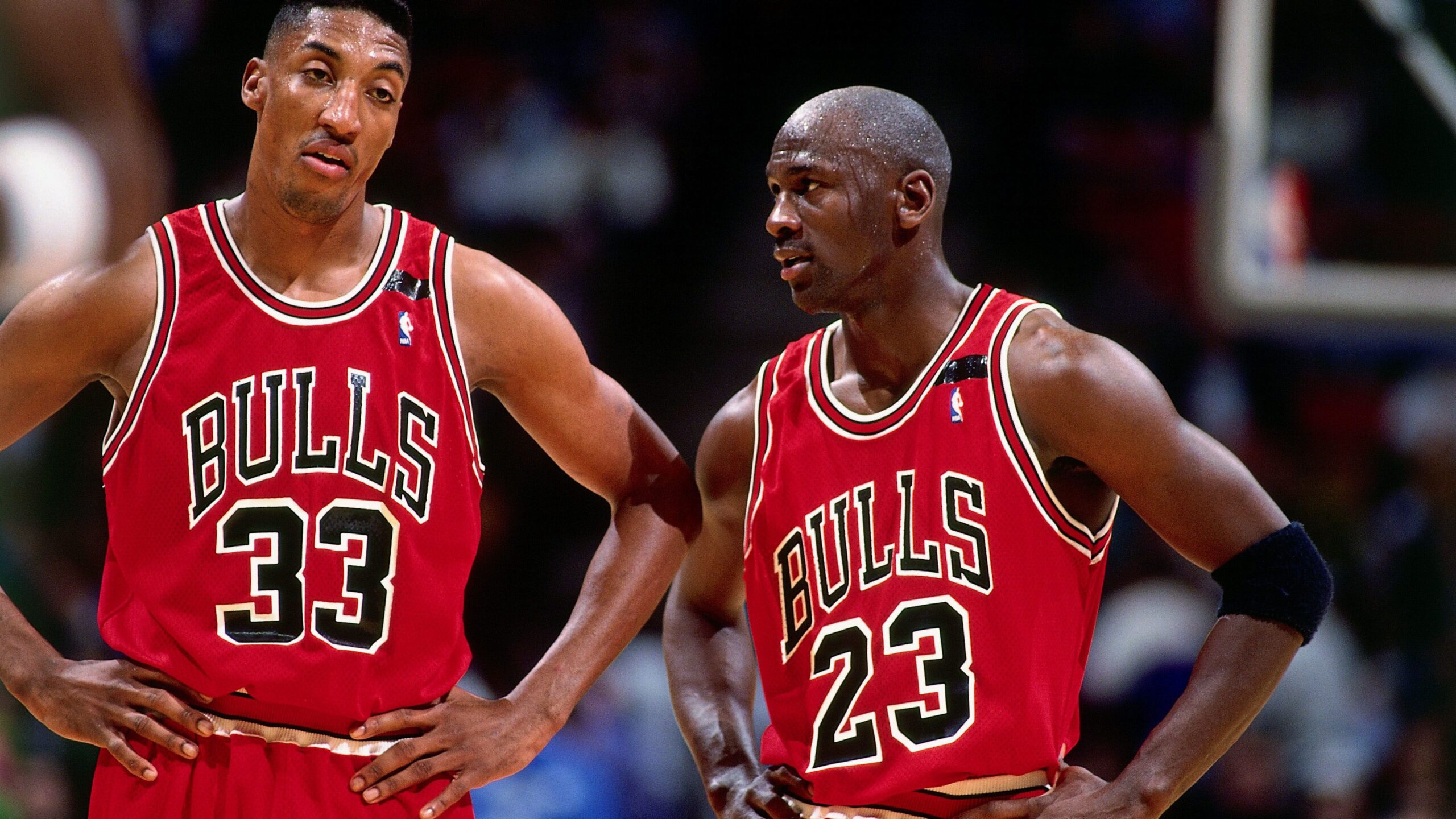 Throughout sports history, only a handful of figures have defined eras, redefined expectations, and reshaped industries, and Michael Jordan stands firmly among them. His career began to take shape long before he became a household name. As a high school athlete, Jordan was not immediately recognized as the transcendent player he would later become. In fact, the famous story of him being “cut” from his high school varsity team—a story often exaggerated but rooted in truth—became a symbolic foundation for his personal mythology. Rather than being discouraged, Jordan used the setback to fuel his determination. He trained harder, refined his skills, and soon became a standout player at Laney High School. His dedication attracted the attention of college scouts and ultimately led him to the University of North Carolina, where he played under the legendary coach Dean Smith. At UNC, Jordan quickly distinguished himself not only through athletic ability but also through composure under pressure. His game-winning shot in the 1982 NCAA Championship as a freshman served as an early sign of the clutch performer he would become. It was at North Carolina that he developed essential fundamentals, discipline, and a team-first mentality, all of which later became hallmarks of his professional career. In 1984, the Chicago Bulls selected Jordan with the third overall pick in the NBA Draft, and what followed was a transformation of both the franchise and the league. Jordan entered the NBA with a style that immediately electrified fans: his acrobatic drives to the basket, soaring dunks, fearless scoring ability, and unmatched competitiveness redefined what it meant to be a complete player. His rookie season was spectacular, earning him the Rookie of the Year award and marking the beginning of an era. Yet Jordan’s greatness was not just about individual talent. It was about his drive to win, his determination to reach the top, and his willingness to push himself beyond perceived limits.
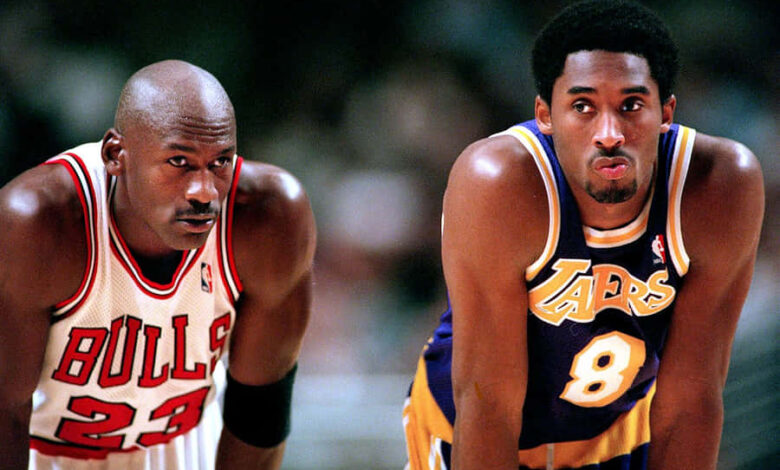
 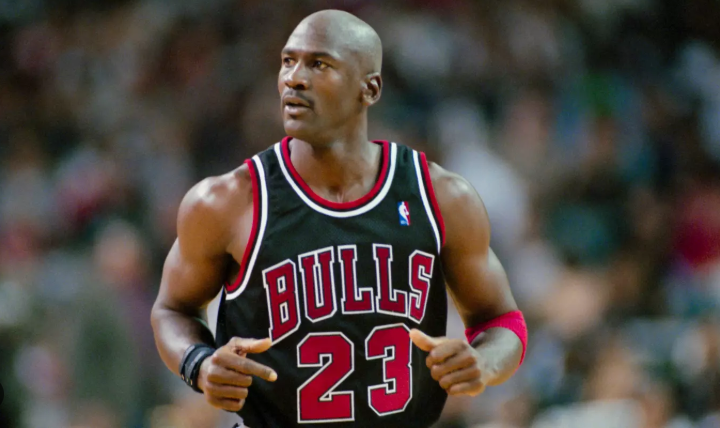 The evolution of the Chicago Bulls from a struggling franchise into a dynasty was inseparable from Jordan’s growth as both a player and a leader. His partnership with coach Phil Jackson and teammate Scottie Pippen created one of the most formidable combinations in sports history. Through the late 1980s, Jordan dominated scoring charts and became a global figure, but championships still eluded him. The obstacles included powerhouse teams like the Detroit Pistons, whose “Bad Boys” defense was specifically organized to limit Jordan. The physical and psychological challenge of those playoff defeats ultimately shaped him. Rather than faltering, he transformed himself—adding strength, refining his mid-range game, and developing an unparalleled strategic understanding of how to dominate opponents. The breakthrough came in 1991, when the Bulls defeated the Los Angeles Lakers to secure their first NBA title. This victory marked the beginning of the first three-peat, as Chicago captured championships in 1991, 1992, and 1993. Jordan became more than a star; he was an icon. His performance on the court, his memorable moments in the NBA Finals, and his relentless pursuit of excellence captivated global audiences. The “Be Like Mike” phenomenon surged through advertising, merchandise, and media, placing Jordan at the center of a marketing empire. He became the face of Nike, and the launch of the Air Jordan sneaker line revolutionized sports apparel, streetwear, and global fashion. To this day, Air Jordans remain a cultural staple, representing not only performance but identity and creativity. Yet Jordan’s journey was not without challenges or complexities. In 1993, following the tragic murder of his father, James Jordan, Michael retired from basketball at the height of his success. The decision stunned the world, but Jordan’s explanation—that he had lost the desire to play and wanted to fulfill his father’s dream of seeing him play professional baseball—revealed the deeply personal motivation behind the choice. Joining the Chicago White Sox organization, Jordan pursued baseball with characteristic dedication. Though his performance at the minor league level was modest compared to his basketball dominance, the transition highlighted both his athletic versatility and his refusal to be bound by expectations. His return to the NBA in 1995, announced through the famously simple yet powerful statement “I’m back,” triggered one of the most memorable comebacks in sports history. Rejoining the Bulls late in the season, Jordan wore the number 45 and immediately reignited the excitement of fans worldwide. The following season, after regaining rhythm and returning to the iconic number 23, Jordan led the Bulls to a record-breaking 72-win season and a championship in 1996. This began their second three-peat, with titles in 1996, 1997, and 1998. Each championship run featured unforgettable performances, including Jordan’s iconic “Flu Game” in 1997 and the legendary game-winning shot in Game 6 of the 1998 Finals against the Utah Jazz. That final shot—often described as the perfect ending to a perfect career—symbolized Jordan’s ability to seize decisive moments and turn pressure into greatness. Many believed this would be the last chapter of his playing days, but Jordan surprised the world again by returning for two seasons with the Washington Wizards from 2001 to 2003. Although he was no longer the explosive youngster of the 1980s or the unstoppable force of the 1990s, he remained an elite player capable of controlling games, mentoring younger athletes, and displaying flashes of his legendary brilliance. After his final retirement in 2003, Jordan continued to influence the sport and business world. He became the principal owner of the Charlotte Hornets, making him the first former NBA player to become the primary owner of a franchise. His role extended beyond ownership; it represented a new pathway for athletes transitioning into leadership positions within sports organizations. Jordan also expanded his business presence through Jordan Brand, whose success has reached global levels, and through partnerships, investments, and philanthropic efforts. His impact on culture—especially Black culture, athletic culture, and global youth culture—remains immeasurable. Jordan’s legacy cannot be quantified solely through awards, though his resume remains unmatched: six NBA championships, six Finals MVP awards, five regular-season MVPs, fourteen All-Star selections, ten scoring titles, a Defensive Player of the Year award, and two Olympic gold medals. But beyond the numbers, Jordan’s influence lies in how he reshaped the expectations of athletic excellence. He transformed basketball into an international phenomenon, paving the way for global icons who followed, from Kobe Bryant to LeBron James. His competitive mentality—often referred to simply as the “Jordan mentality”—has become a blueprint for athletes in every sport, symbolizing relentless improvement, psychological toughness, and a refusal to accept anything less than victory. The reach of Michael Jordan extends far outside the basketball court. His persona influenced film, most notably through the cultural classic Space Jam, which introduced the magic of Jordan to a younger audience and blended sports with entertainment in unprecedented ways. His name became synonymous with success, aspiration, and the pursuit of dreams. Even today, younger generations who never saw him play live continue to feel his impact, whether through highlights, sneakers, documentaries, or the global reverence that surrounds his name.
 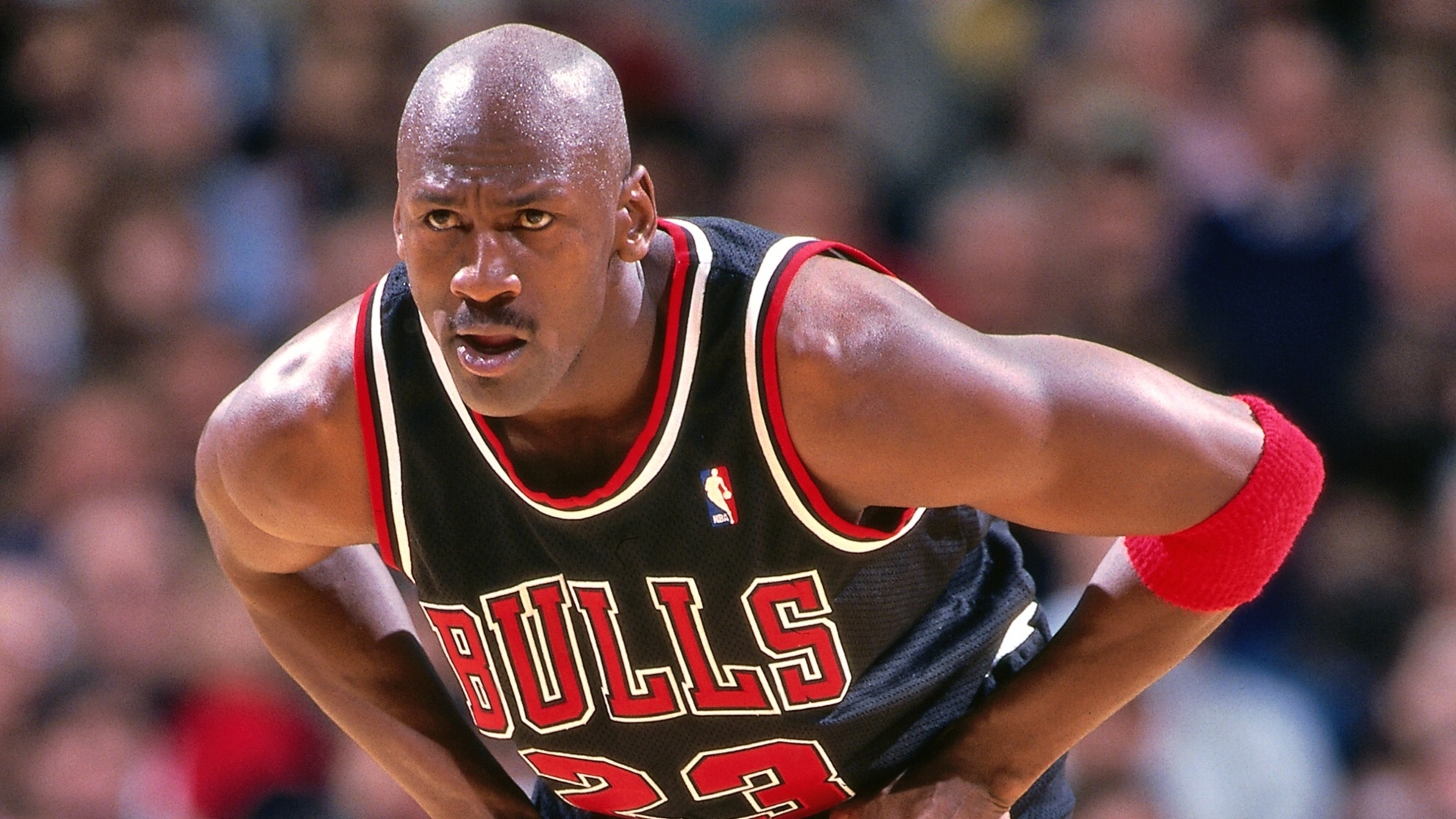 The release of The Last Dance documentary in 2020 reignited global recognition of Jordan’s dominance, revealing intimate details of his leadership style, competitiveness, and personal struggles. The documentary confirmed what fans had long felt: that Jordan’s greatness was built not only on physical ability but on a relentless internal fire. It showed how he pushed teammates, confronted challenges, and overcame adversity while maintaining an aura of confidence and determination. As the years pass, Michael Jordan’s legacy remains secure. His influence has evolved, but his relevance has not faded. He continues to inspire entrepreneurs, athletes, artists, and individuals striving to rise above their circumstances. He symbolizes how hard work, discipline, and belief in oneself can create extraordinary outcomes. Jordan’s story is a testament to the power of resilience, the importance of mental strength, and the value of embracing challenges rather than avoiding them. In examining the cultural landscape of the world today, it becomes clear that Michael Jordan is not just a former athlete—he is a symbol, a blueprint for excellence, and a reminder that greatness is achievable through unwavering dedication. Few figures in history have shaped the identity of a sport and influenced global culture with the magnitude Michael Jordan has. His name continues to represent something larger than basketball, something that transcends generations and communities. Michael Jordan remains an enduring icon, a timeless figure whose legacy continues to grow, evolve, and inspire. His influence will echo through the decades, not only through the records and championships he left behind but through the mindset he taught the world: that true greatness comes from pushing beyond limits, embracing challenges, and striving every day to be better than the day before.