Taylor Swift stands as one of the most influential and recognizable figures in modern music, a cultural force whose evolution from country prodigy to global pop icon has reshaped the expectations placed on artists in the twenty-first century. Her success is not merely the result of exceptional talent but also of a rare combination of narrative intuition, emotional intelligence, marketing brilliance, and an ability to adapt while remaining unmistakably herself. To write about Taylor Swift is to trace the journey of a young songwriter who transformed her personal stories into universal experiences, who bridged the distance between diary-like vulnerability and stadium-sized spectacle, and who, along the way, became a symbol of artistic autonomy and resilience in an industry often resistant to both. Her story begins with a love of music nurtured in childhood, but it is the way that this youthful passion grew into a commanding creative empire that captures the world’s attention.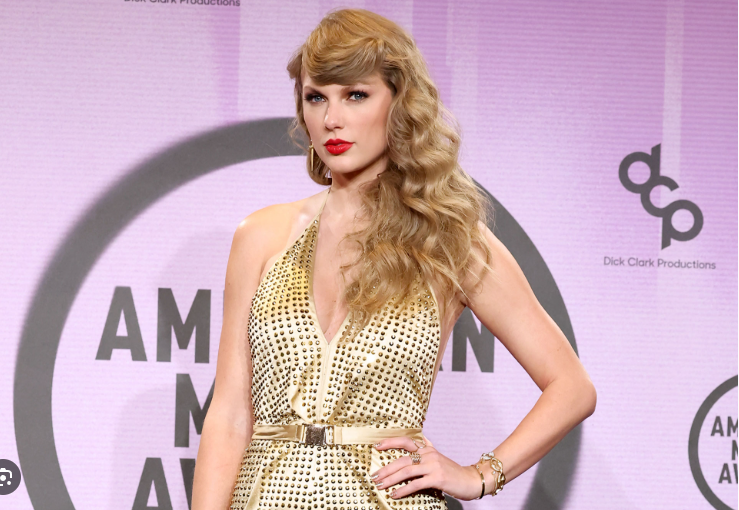
Born in Pennsylvania, Taylor developed an early fascination with storytelling. She observed human behavior with unusual depth for her age, turning observations and emotions into melodies even before she formally entered the music scene. When her family relocated to Nashville so she could pursue her dreams, it was clear that she was not simply another aspiring musician; she was a dedicated young artist determined to carve out her own space. Her early years in country music were marked by an eagerness to learn, countless songwriting sessions, and a willingness to treat every experience—good or bad—as material that could be shaped into something meaningful. Those first albums revealed a teenager who understood the power of relatability, and this became the foundation of her extraordinary connection with fans.
As she transitioned from country to pop, Taylor Swift demonstrated a capability that few artists ever fully achieve: reinvention without losing authenticity. Many performers reinvent themselves visually, musically, or conceptually, but Swift’s reinventions were always anchored in genuine personal evolution. “Fearless,” with its sparkling optimism, was the sound of adolescence brimming with hope; “Speak Now” was defined by self-written confessions and bold truths; “Red” captured the messy emotional spectrum of young adulthood; and “1989” heralded her triumphant arrival into mainstream pop with a new sonic identity. At each step, she invited listeners to grow with her, allowing her music to mirror the stages of life that millions were experiencing simultaneously. This ability to evolve in plain sight, while remaining emotionally honest, ensured that her fanbase would not merely follow her career—they would participate in it.
What distinguishes Taylor Swift from other artists of her generation is not just her musical range but her storytelling mastery. Her lyrics are both meticulous and conversational, rich with imagery but accessible enough to imprint themselves onto listeners’ memories. She writes in colors, symbols, and cinematic fragments. A scarf becomes a metaphor for lost innocence; a getaway car embodies escape from a dying relationship; a cardigan transforms into a tale of first love remembered through time. Swift’s songs often function as emotional maps, guiding listeners through heartbreak, desire, reflection, and self-rediscovery. She has the rare ability to make deeply personal stories feel universal, inviting each person to find themselves within her narratives. Her songwriting is not just a skill but an immersive world, one that expands with each album and deepens with every re-recording.
Her career, however, has not been defined solely by artistic triumphs. Taylor Swift’s battles within the music industry have become emblematic of broader conversations surrounding artists’ rights, corporate power, and intellectual ownership. When she publicly confronted the sale of her master recordings, she sparked a global dialogue on creative control and the mechanisms of the recording industry. Her decision to re-record her early albums was unprecedented in scale and impact, transforming what could have been a career setback into one of the most successful reclamation projects in music history. Each “Taylor’s Version” release has been embraced not only as a nostalgic revisiting of formative eras of her life but also as a symbolic victory for artists everywhere. This chapter of her journey demonstrates Swift’s strategic acumen as much as her artistic vision, revealing a woman who refuses to be sidelined in decisions about her own legacy.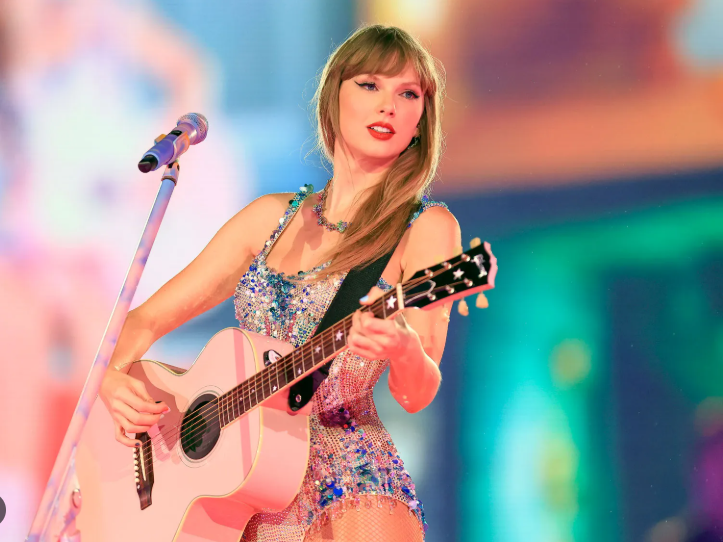
Beyond music, Taylor Swift’s cultural impact can be seen in the way she bridges the gap between celebrity and community. Her relationship with her fans—known as Swifties—is built on genuine interaction, inside jokes, coded messages, and a feeling of mutual trust. Few artists communicate in ways as intimate and expansive as Swift does, whether through surprise online engagements, hidden Easter eggs embedded in album art and music videos, or emotional speeches during live performances. The loyalty she inspires is not manufactured; it stems from years of openness, kindness, and artistic transparency. Her fans do not merely consume her work—they inhabit it. They decode clues, craft theories, and treat each album release as a cultural event. This participatory environment has made Taylor Swift not just a musician but a phenomenon that thrives on collective joy, anticipation, and creativity.
Her influence extends into live performance as well. Swift’s concerts are immersive experiences that blend narrative, choreography, visuals, and emotional storytelling. Every detail—down to costumes, lighting choices, and transitions—is crafted with intention. She views touring not as a routine obligation but as an artistic medium of its own, transforming stadiums into theatrical realms where fans relive her entire career in a single night. These shows function as celebrations of her evolution and as communal spaces where thousands of people experience the same emotions simultaneously. Few contemporary artists have achieved this level of spectacle without sacrificing emotional sincerity, but Swift manages both, proving that grand scale and intimate storytelling can coexist beautifully.
Another essential dimension of Taylor Swift’s legacy lies in her willingness to confront public scrutiny with clarity and poise. Throughout her career, she has been subjected to criticism, speculation, and tabloid narratives that often attempt to diminish her achievements or distort her intentions. Yet she consistently rises above these attempts by channeling experiences into art, using her music as both shield and sword. Albums like “Reputation” showcase her ability to engage with public perception while maintaining control of her narrative. Rather than retreating, she uses challenges as creative fuel, turning moments of adversity into opportunities for reinvention and empowerment. Her resilience sends a powerful message about the importance of self-advocacy, particularly for women navigating industries that often undervalue or misinterpret them.
Taylor Swift has also become an influential voice in social and cultural conversations. Whether speaking about gender inequality, artistic rights, or political issues, she uses her platform to amplify perspectives that might otherwise be overshadowed. Although she was once cautious about public advocacy, her gradual decision to become more vocal reflects her growth not just as an artist but as a citizen conscious of her influence. Her advocacy is rooted in empathy, shaped by a belief in fairness, and carried out through both personal statements and philanthropic action. She has donated to disaster relief efforts, supported education programs, and contributed to LGBTQ+ organizations. Her philanthropy extends the themes of compassion and connection present in her music, reinforcing the sense that her career is built on more than commercial ambition.
What makes Taylor Swift particularly compelling is her ability to balance modernity with timelessness. She embraces new technology, social media trends, and contemporary sounds, yet her core remains rooted in classic storytelling traditions. This duality positions her at the crossroads of past and future, bridging generational gaps and appealing to listeners of all ages. In a rapidly changing cultural landscape, she offers stability through her narratives while also pushing creative boundaries that keep her work fresh and relevant. Each album feels like an evolution rather than a departure, reflecting her internal growth and the shifting world around her.
The longevity of her career can be attributed to her work ethic as much as her talent. Swift approaches her craft with discipline, curiosity, and a constant desire to improve. She experiments with genres, collaborates with diverse producers, and explores new lyrical structures. Her transitions from country to pop, from electronic beats to folk textures, demonstrate a fearless commitment to exploration. Instead of remaining confined to a predictable sound, she allows her artistry to breathe, change, and surprise both herself and her audience. This willingness to take risks has earned her respect from critics and peers, cementing her place as one of the most innovative musicians of her era.
Equally significant is the emotional depth in her music. Taylor Swift writes with a sensitivity that captures the complexities of relationships, identity, growth, and loss. Her songs do not rely on vague metaphors; they pulse with specificity—names, colors, memories, and moments that feel lived-in. This approach creates a bridge between her inner world and the listener’s imagination. Fans describe her music as a companion through heartbreak, joy, nostalgia, and self-discovery. She provides language for feelings that are often difficult to articulate, and in doing so, she becomes not just an entertainer but a storyteller whose words help people understand their own lives.
As her catalog expands, so does the mythology surrounding her artistic universe. The Taylor Swift “eras” have become cultural landmarks, each defined by its own color palette, emotional themes, and sonic character. Fans celebrate these eras through fashion, fan art, and community events, keeping her work alive far beyond release dates. This phenomenon speaks to her ability to create worlds rather than isolated songs, experiences rather than moments. Her music becomes a timeline through which listeners can trace their own growth, marking chapters of their lives with tracks that capture who they were, who they loved, and who they are becoming.
Ultimately, Taylor Swift’s story is one of empowerment through creativity. She demonstrates that vulnerability is a strength, that storytelling can build global communities, and that reinvention is not a betrayal of one’s identity but a fulfillment of it. Her journey from a determined young songwriter in Nashville to a multi-genre powerhouse shows what is possible when talent meets persistence and imagination. As she continues to evolve, she remains a symbol of artistic independence, emotional honesty, and unyielding dedication to craft. Her influence will continue shaping music, culture, and the relationship between artists and their audiences for decades to come, proving that Taylor Swift is not simply a star of her time but a defining voice of modern music whose legacy grows deeper and more impactful with every chapter she writes.