The True Story of David Knotek, the Abused Husband and Accomplice of Shelly Knotek
In the history of American true crime, few cases are as disturbing and confounding as that of Shelly and David Knotek. The couple, who lived in Raymond, Washington, became infamous in the early 2000s for a series of brutal abuses and killings that shocked the small community and the wider nation. While Shelly Knotek is often painted as the sadistic mastermind behind the cruelty, her husband, David Knotek, played a key but complex role — one that straddled the lines between victim and accomplice.
This is the haunting story of David Knotek: a man who, though himself subjected to years of psychological and emotional torment, ultimately became complicit in the torture and deaths of multiple people — including family and close friends.
A Quiet Life with a Dark Undertone
David Knotek was a seemingly mild-mannered man. A Navy veteran and construction worker, he met Michelle “Shelly” Knotek in the 1980s and soon married her. The two settled into what appeared from the outside to be a typical domestic life in a modest home in Raymond, Washington. But inside the walls of their home, a dark and escalating pattern of abuse was unfolding — one masterminded by Shelly, but made possible with David’s silent compliance.
Shelly Knotek was a manipulative, controlling, and deeply abusive figure. She subjected her children, extended family, and house guests to relentless psychological and physical torment. Her favorite methods of control included gaslighting, sleep deprivation, starvation, and degradation. David, often characterized as submissive and emotionally dependent, followed her lead, even when it meant disposing of bodies.
Victims of the Knoteks
At least three people died as a result of the abuse suffered in the Knotek household:
-
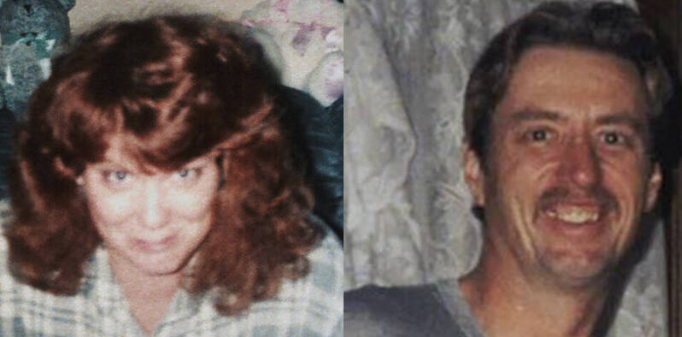
Kathy Loreno – A former hairdresser and family friend, Kathy moved in with the Knoteks in the early 1990s. Shelly subjected her to horrific abuse, including beatings, humiliation, and starvation. Kathy died in 1994 under mysterious circumstances. Rather than report her death, David helped Shelly burn and bury her body on their property.
-
Shane Watson – Shelly’s teenage nephew moved in with the family shortly after Kathy’s disappearance. Shane was treated as a servant and spy, often forced to document the abuse. After he threatened to go to the authorities, David — at Shelly’s insistence — shot Shane in the head with a .22-caliber rifle. They burned his body and disposed of the remains.
-
Ronald Woodworth – A mentally ill man who had befriended the Knoteks, Ronald moved in during the early 2000s. Like Kathy, he was subjected to sadistic punishments: being forced to perform tasks while naked, denied medical treatment for injuries, and made to bathe in bleach. In 2003, Ronald died from severe injuries. Again, David disposed of the body.
These deaths were not accidents, but the result of sustained cruelty. While Shelly was undeniably the primary abuser, David’s role in the concealment of the crimes and his failure to intervene make him more than just a passive bystander.
The Children Speak Out
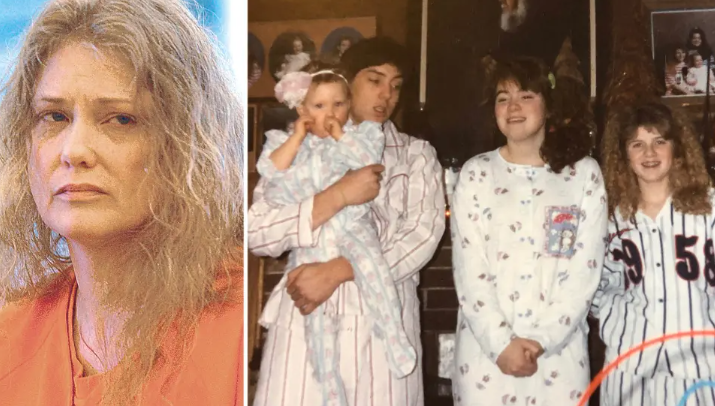
Shelly and David’s daughters — Nikki, Sami, and Tori — lived through years of terror. They were not only witnesses to the abuse but victims themselves. Shelly isolated them from the outside world, using fear and manipulation to maintain control.
As the girls grew older, they began to see through their mother’s lies and control. By 2003, the youngest daughter, Tori, managed to reach out to her older sister Nikki, who was no longer living at home. Together, they contacted authorities and described the horrors that had taken place.
Their bravery led to an investigation and, eventually, the arrest of both Shelly and David Knotek.
The Legal Consequences
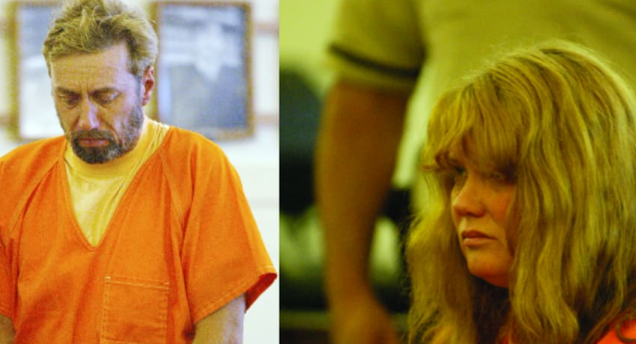
In 2004, David and Shelly Knotek were charged in connection with the deaths of Kathy Loreno, Shane Watson, and Ronald Woodworth. David eventually pleaded guilty to second-degree murder for the shooting of Shane Watson and unlawful disposal of human remains. In exchange for his cooperation and testimony against Shelly, he received a reduced sentence of 15 years in prison.
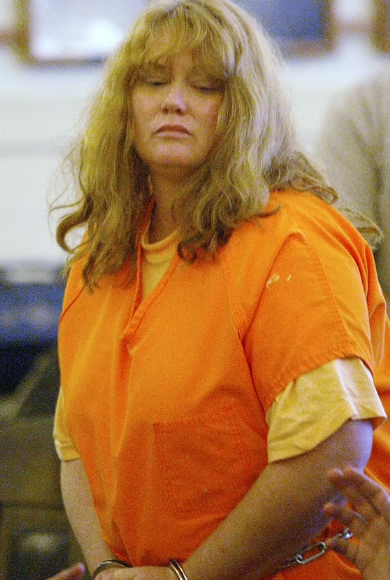
Shelly was charged with second-degree murder and manslaughter. She took a plea deal in 2004 and was sentenced to 22 years in prison. She was released in November 2022, having served 19 years of her sentence.
David, by contrast, served his full sentence and was released in 2018.
Accomplice or victim?
One of the most debated aspects of the Knotek case is whether David was himself a victim of Shelly’s psychological domination or a willing participant in her crimes. Some accounts portray him as a man broken by years of emotional abuse — an individual so cowed by his wife that he feared disobedience. Others argue that, regardless of his emotional state, David’s actions crossed a moral and legal line into complicity.
David admitted in court that he had killed Shane Watson, burned multiple bodies, and failed to contact authorities even as people in his care were dying. His quiet demeanor and lack of a violent history contrast starkly with the crimes he committed under Shelly’s influence.
The truth likely lies somewhere in the middle: David was both victim and perpetrator, shaped by a toxic marriage into someone capable of enabling — and executing — acts of cruelty.
Aftermath and Public Fascination
The Knotek case has become one of the most haunting examples of domestic horror in recent history. The crimes were documented in the 2019 book “If You Tell” by Gregg Olsen, which explores the perspective of the Knotek daughters and exposes the sheer scale of abuse within the family home. The book became a bestseller, bringing renewed public attention to the case.
The story of Shelly and David Knotek is also frequently discussed in true crime podcasts and television documentaries, many of which focus on the psychology of abusers and the complex dynamics of coercive control.
Conclusion
David Knotek remains one of the most enigmatic figures in American criminal history — a man who carried out horrific acts, yet also lived under the spell of a monstrous spouse. His life is a chilling reminder that abuse doesn’t always wear a single face and that enablers, whether coerced or complicit, can become as dangerous as those who wield direct power.
The tragic fates of Kathy Loreno, Shane Watson, and Ronald Woodworth underscore the cost of silence and inaction. And while justice may have been served in court, the psychological scars left on the survivors — especially the Knotek daughters — are reminders of a house where love was twisted into something deadly.